2026-10-27
Dermatology Acne Care: 5 Step-by-Step Criteria from Extraction to Scar Laser Treatment
Acne care at a dermatology clinic starts by identifying the stage: extraction and medication for inflammation, sebum control for recurring spots, and Ultrapulse Alpha for depressed scars.
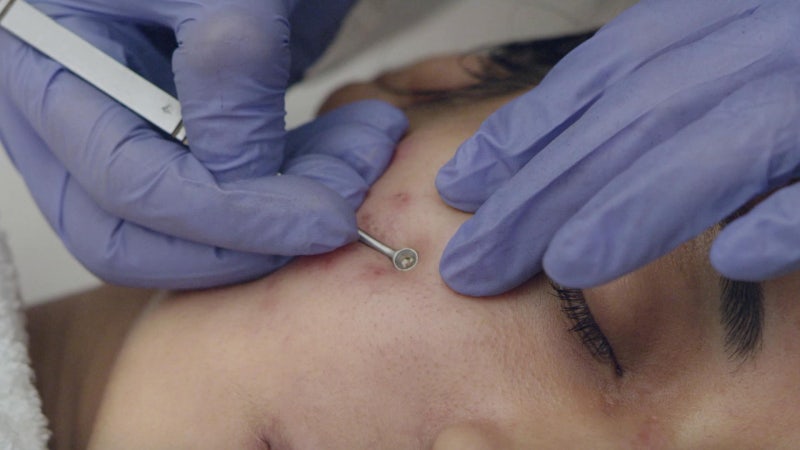
Acne care at a dermatology clinic starts with identifying which stage your acne is in.
Inflammation is first calmed with extraction and medication, and if breakouts keep recurring in the same spot, we regulate the sebaceous glands.
For depressed scars that have already formed, we stimulate regeneration with Ultrapulse Alpha, and during recovery we carry out stage-by-stage aftercare alongside.
Hello, I am Dr. Jong-geun Song, chief director of Pixel Lab Plastic Surgery Clinic in Sinnonhyeon.
I have been practicing as a board-certified plastic surgeon for 15 years.
In November 2025, I took part in the “Ultrapulse Alpha Bootcamp” held in Italy by Lumenis headquarters, an event limited to about 50 doctors worldwide, where we reviewed scar treatment cases together.
Even with consistent acne care, why don’t sunken scars fill back in easily?
This is a question I often hear in the clinic.
A depressed scar is one where the dermis has collapsed, so extraction or soothing treatments alone rarely help it fill back in.
Below, I answer the questions I get most often about acne care, one at a time.
Q1. When should you see a dermatologist for acne?
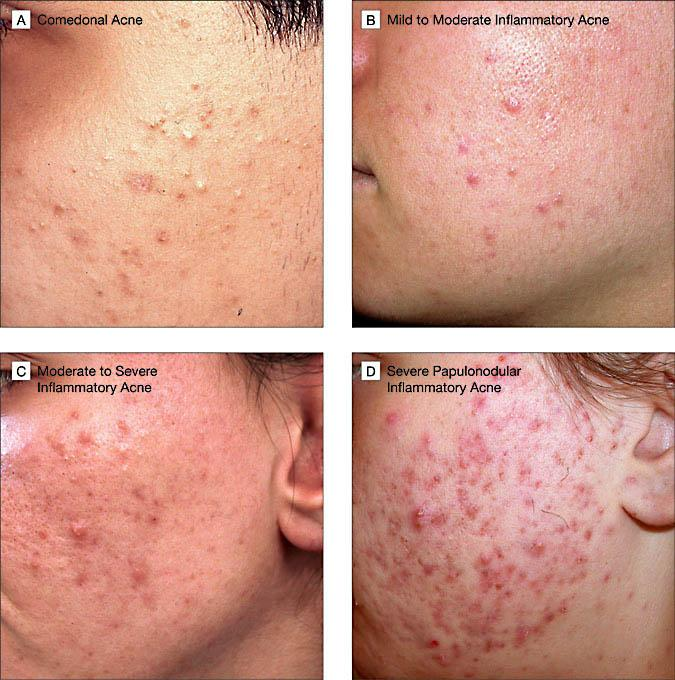
Four grades of acne on the cheek: (A) comedonal, (B) mild to moderate inflammatory, (C) moderate to severe inflammatory, (D) severe papulonodular.
The best time is when an inflamed bump appears that is painful and firm to the touch.
Pustular acne is simpler to treat when there are only one or two spots, but if left alone, the inflammation often goes deep into the dermis and leaves a scar.
At the first visit, what I check is the depth of the acne rather than the number of spots.
Acne care at a dermatology clinic begins with this assessment of depth.
|
Redness can sometimes resolve with time, but scars where the dermis has sunk do not.
That’s why at the first consultation, I start by determining whether you are in the care stage or the regeneration stage.
Q2. Is extraction really necessary?
Extraction is the starting point for most acne care at dermatology clinics. It involves gently opening the pore to physically remove the built-up sebum and keratin plugs inside, and skipping this step makes it easy for inflammation to keep growing from within.
However, timing matters for extraction. I don’t force extractions when the inflammation is red and swollen.
Extracting in that state can lead to pigmentation or indentations, so I choose to calm the inflammation first with anti-inflammatory injections or medication before proceeding.
Right after extraction, I follow up with soothing treatments such as LDM Triple or cryo care. The goal is to reduce heat and redness and replenish moisture.
Q3. How are sebaceous glands regulated when breakouts keep recurring?
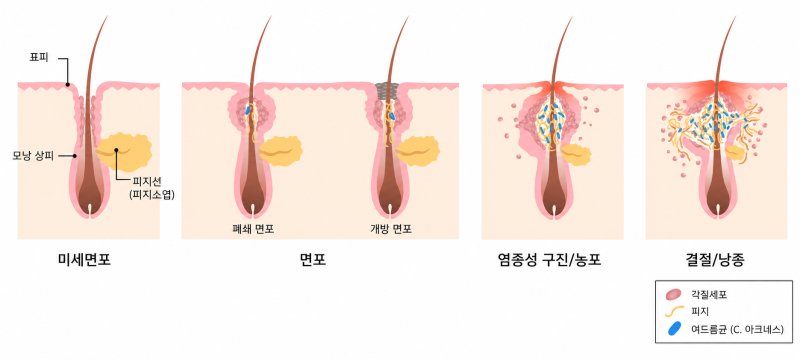
Acne stages in a follicle: microcomedone, closed/open comedone, inflamed papule/pustule, nodule/cyst. Key: skin cells, sebum, C. acnes.
If acne keeps appearing in the same area, we move on to addressing the sebaceous glands themselves. Dermatology clinics generally use three main approaches.
Approach | Mechanism | When it’s considered |
Oral medication | Suppresses sebum production across the board | Moderate or more severe inflammation across the face |
Light-based treatment for sebum and inflammation | Uses light and heat to suppress sebaceous gland activity | Recurring breakouts across a wide area |
Micro insulated-needle radiofrequency | Locally regulates sebaceous glands with radiofrequency heat from the needle tip | Breakouts that keep appearing in one specific spot |
Light-based thermal and photodynamic therapies address the sebaceous glands across a broad area, so they suit wide regions, whereas micro insulated-needle radiofrequency lets you target specific spots.
Among these, Pixel Lab Plastic Surgery uses Potenza, a micro insulated-needle radiofrequency device.
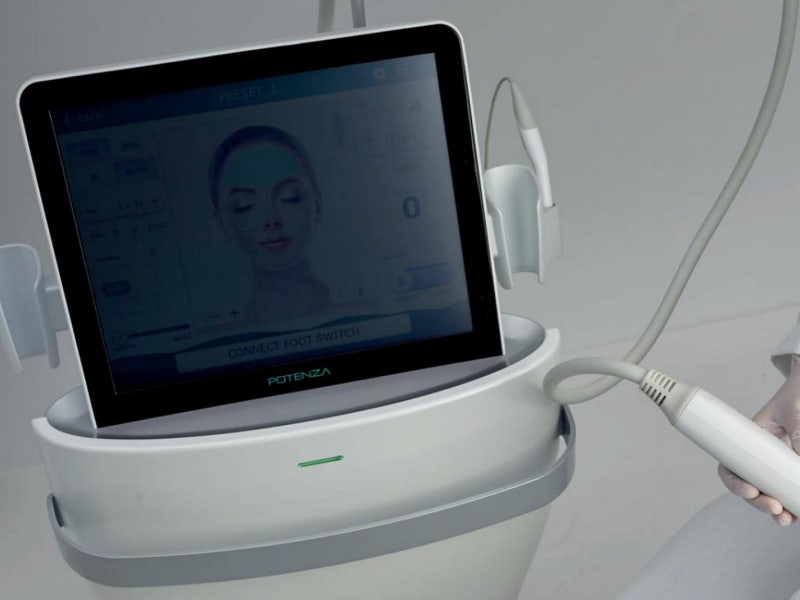
During treatment, I use a pore-focused tip (N-25) and a single-needle tip (A1-15) for different areas. I set different depths depending on whether the spot has concentrated sebaceous glands or needs skin texture refinement.
After three or more sessions, you can expect benefits in skin texture and calmness, though response speed varies from person to person.
Q4. Do redness and depressed scars require different treatments?
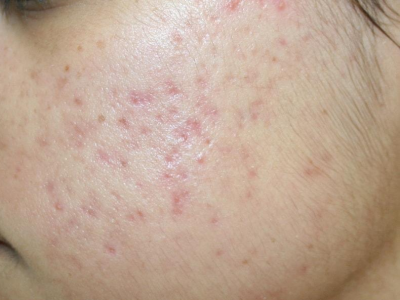
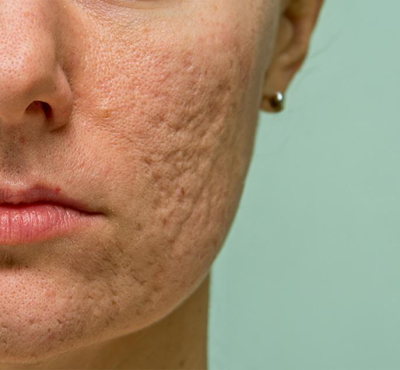
The lower face of a woman with uneven, pitted acne scars across her cheek.
Close-up of a cheek with many small, red, inflamed acne bumps.
They do. Treating them with the same procedure only makes the process longer.
Category | Redness (erythema) | Depressed scars (uneven texture) |
Cause | Increased number of capillaries after inflammation | Reduced dermal collagen and fibrotic tissue |
Approach | Vascular-targeting lasers and soothing care | Regenerative lasers that rebuild the dermis |
Course | May fade over time in some cases | Usually does not fill in on its own |
Redness may be worth waiting on, but depressed scars are different.
During consultations, I ask patients to run their own fingertips over the skin. If you can feel the unevenness catching under your fingertip, the dermis has already collapsed, so I believe it’s time to move on to the regeneration stage rather than repeating soothing treatments alone.
Q5. How do the procedures for depressed scars differ?
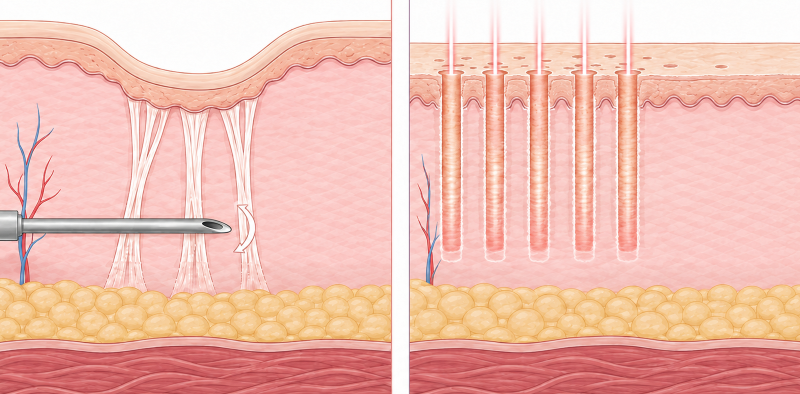
Illustration: left, a needle cuts the fibrous bands pulling down a depressed scar; right, laser beams create fine columns in the skin.
Procedures for depressed scars are not interchangeable; each has its own role.
Below is a table summarizing the criteria I explain during consultations.
Procedure | Main role | How it works | Recovery time |
Regenerative CO2 fractional laser | Deep, long-standing scars with boxcar-type edges | Creates microscopic thermal columns in the dermis to stimulate collagen regeneration | Usually about 1 week |
Vertical subcision (Ultrapulse Alpha) | Rolling scars with a tethered base | Overlapping deep-mode irradiation at one site to release the fibrous bands that pull the scar downward | Performed alongside laser treatment (usually about 1 week) |
Skin boosters and regenerative injections | Shallow depressions and overall skin texture | Builds a regenerative environment in the dermis to supplement results with volume | Minimal |
Micro insulated-needle radiofrequency | Active inflammation and pores rather than scars | Locally regulates sebaceous glands and pore areas | About 1–3 days |
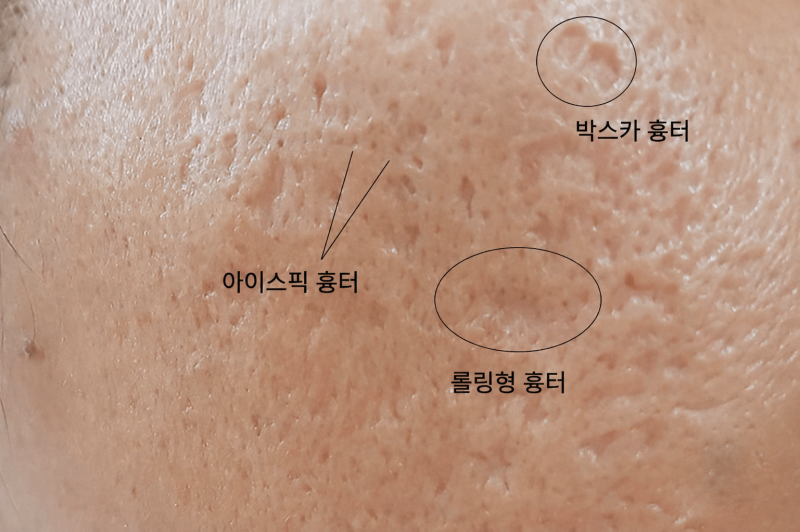
In actual practice, most faces have several types mixed together.
That’s why, at spots where the base is tethered, I often skip a separate subcision and instead release the bands with vertical subcision using Ultrapulse Alpha to stimulate regeneration, then finish with a skin booster.
Trying to finish with a single procedure often ends up increasing the total number of sessions.
Q6. What are the criteria for considering Ultrapulse Alpha for depressed scars?
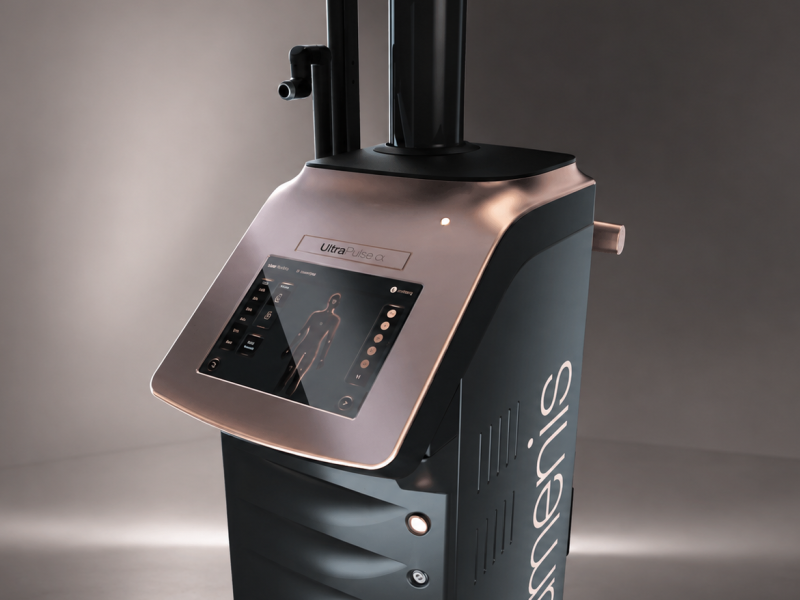
The UltraPulse α laser device by Lumenis, with a touchscreen control panel.
Ultrapulse Alpha is a CO2 fractional laser, and it is the device I consider first for deep, long-standing scars.
There are three reasons.
|
The criteria I use for each scar type are as follows.
|
This design, which approaches the deeper layers in the dermis and the surface skin texture separately, is the reason I use this laser.
That said, this is not a one-session treatment, and the number of sessions needed depends on the depth and extent of the scar.
Q7. What does post-treatment care and downtime look like?
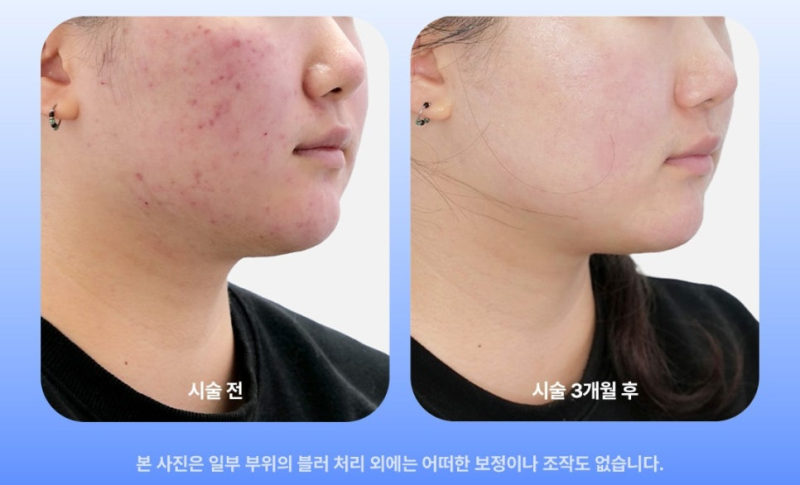
Before and 3 months after treatment: red acne spots on a woman's cheek, then fewer. Note: no retouching except partial blurring.
Ultrapulse Alpha works by inducing microscopic damage to the skin, after which the skin regenerates through its own natural healing process.
That is why aftercare, which calms the stimulated skin and supports regeneration, is just as important to the outcome as the procedure itself.
Recovery time varies from person to person, but it usually takes about one week.
At Pixel Lab, we run a systematic, customized stage-by-stage aftercare program during this period so that the skin regenerates quickly and redness and irritation are minimized.
That’s why Pixel Lab also runs a core regenerative care program that supplies high-concentration oxygen to the body, such as through hyperbaric oxygen therapy, to speed up post-treatment healing and support a faster recovery.
Ultrapulse Alpha Stage-by-Stage Care Program
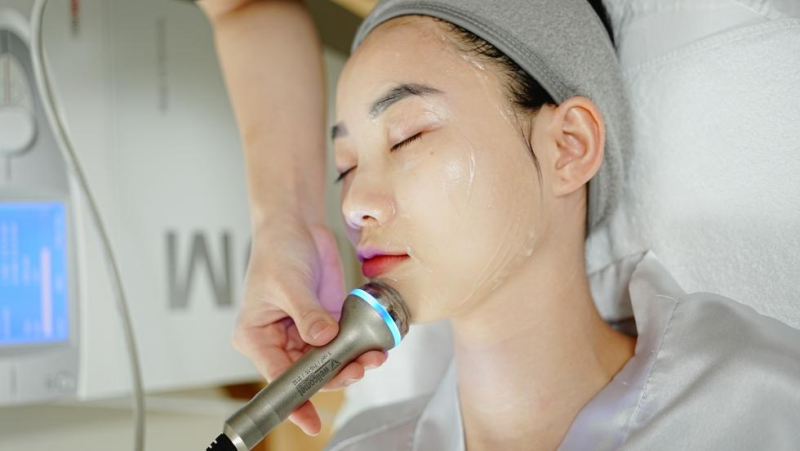
A practitioner moves a handheld device with a blue-lit tip over a woman's gel-covered face.
|
Three things you must follow for successful results:
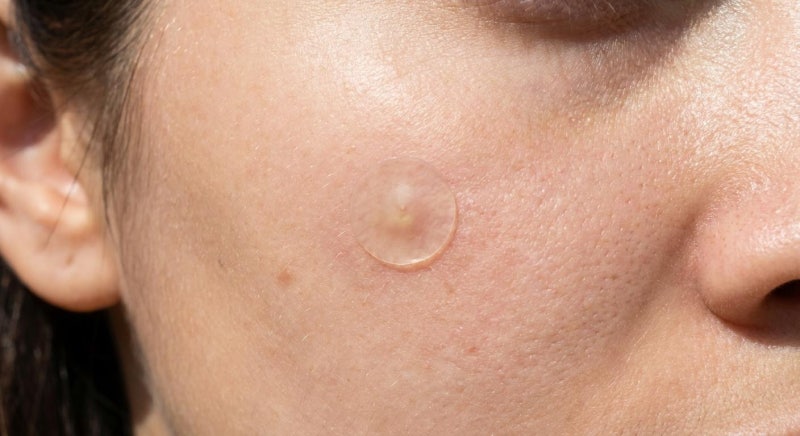
1. Keep the DuoDERM dressing in place
Apply the DuoDERM dressing on the schedule we provide. This protects the skin from external irritation and helps absorb any fluid.
2. Let scabs fall off naturally
If scabs form during recovery, do not pick them off by hand, as removing them early can leave pigmentation at that spot.
3. Apply sunscreen thoroughly
When UV rays reach regenerating, unprotected skin, redness can linger and pigmentation can develop more easily. Be sure to apply sunscreen thoroughly whenever you go outside.
Q8. Should you take medication or get a procedure first?
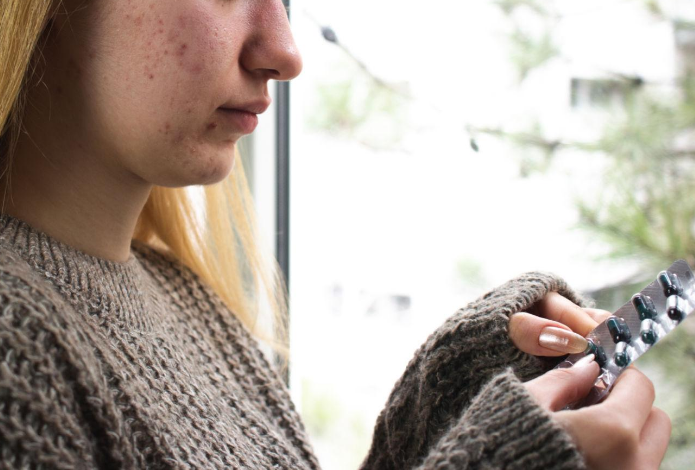
During active inflammation, medication or anti-inflammatory injections come first. Procedures play their role after inflammation has subsided, at the stage of marks and scars.
Reversing the order often just increases irritation.
That said, low-impact steps like extraction and soothing treatments can be done while you are taking medication, so depending on your condition, I sometimes combine the two.
Q9. How many sessions of scar laser treatment are needed?
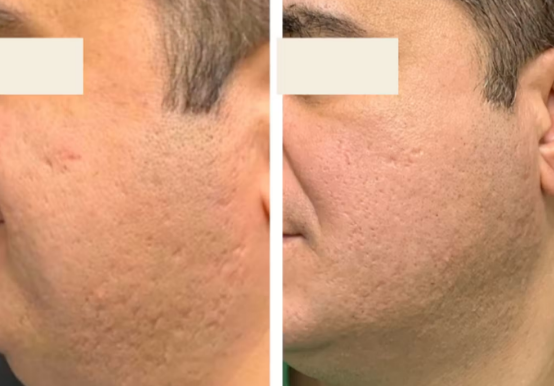
Two comparison photos of a man's cheek with depressed acne scars, eyes blocked out.
Acne care at a dermatology clinic is not a one-time fix but a process that unfolds step by step.
For care-focused treatments, we plan at least three sessions, while scar lasers are generally planned for at least three sessions at about two-month intervals.
Since this depends on scar depth and skin condition, I review progress after the first session and then adjust the next plan.
Q10. What should I do at home?
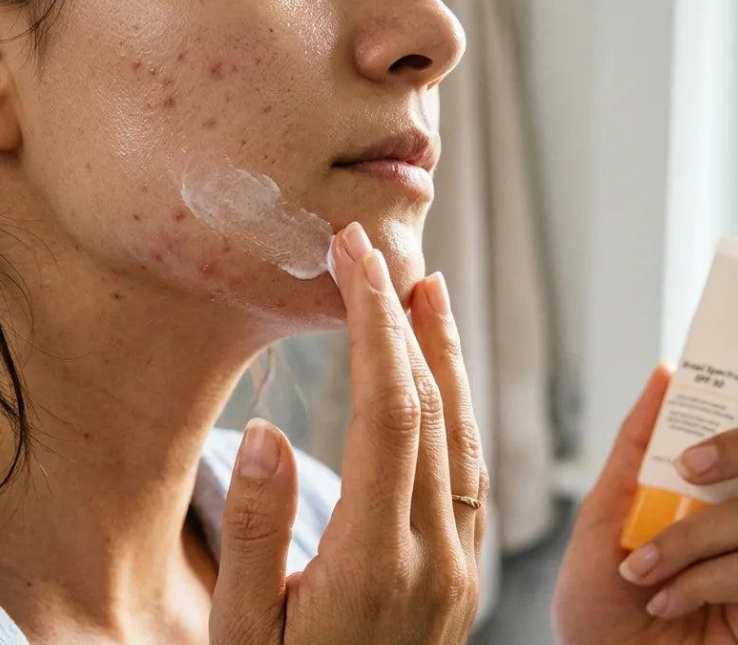
At home, I recommend three things: gentle cleansing, sufficient moisturizing, and daily sun protection.
Many people want to clear things up quickly and layer several exfoliating products, but I often see inflammation increase once the skin barrier weakens.
During recovery after treatment, please pay extra attention to sun protection.
Acne care starts with understanding which stage your acne is in.
It is difficult to tell from photos alone whether your skin needs extraction, whether the sebaceous glands need regulating, or whether it’s time to move on to scar regeneration.
At Pixel Lab Plastic Surgery, we first check your skin condition with the MetaView 3D skin analysis system, then map out the sequence starting from the stage you need right now.
If you have been struggling with the same concern for years, I suggest organizing the steps first this time.




*This post was written directly by Pixel Lab Plastic Surgery Clinic for the purpose of providing medical information and promotion, in compliance with Article 56, Paragraph 1 of the Medical Service Act. All treatments and surgeries carry the possibility of side effects that vary by individual, so we recommend making decisions only after thorough consultation with qualified medical professionals.
Frequently Asked Questions
When is the best time to see a dermatologist for acne?
The best time is when a bump is inflamed, painful to the touch, and firm. Pustular acne is simpler to treat when there are only one or two spots, but if left alone, inflammation often goes deep into the dermis and leaves a scar.
Is acne extraction really necessary?
In most cases, extraction is the starting point of care, although the approach changes depending on timing. Skipping it can let inflammation keep growing from within. When the inflammation is red and swollen, extraction is not forced; instead, the area is first calmed with anti-inflammatory injections or medication before proceeding.
How are sebaceous glands regulated when breakouts keep recurring?
There are three approaches: oral medication, light-based treatment, and micro insulated-needle radiofrequency. The choice depends on whether the problem covers a wide area or specific spots. Light-based treatment works better for broad areas, while micro insulated-needle radiofrequency is better suited to targeting specific spots.
Do redness and depressed scars require different treatments?
Yes, they do. Redness is addressed with vascular-targeting lasers and soothing care, while depressed scars are addressed with regenerative lasers that rebuild the dermis. Redness may fade over time, but depressed scars usually do not fill in on their own.
How long is recovery after Ultrapulse Alpha treatment?
Recovery varies from person to person but usually takes about one week. During this period, stage-by-stage aftercare to calm irritated skin is important, and the clinic emphasizes keeping the DuoDERM dressing in place, letting scabs fall off naturally, and protecting the skin from UV exposure.
How many sessions of scar laser treatment are needed?
Scar laser treatment is generally planned for at least three sessions at roughly two-month intervals. However, the number of sessions depends on scar depth and skin condition, and the next plan is set after reviewing progress from the first session.