2026-10-03
Why Pixellab Went to Mongolia in Person: Rethinking Where Care Begins for Overseas Patients
Pixellab Plastic Surgery explains why its team met Mongolian patients in person at a medical tourism roadshow, and what they learned about trust, language support, and visa concerns.

Hello,
This is Song Jong-geun, Chief Director of Pixellab Plastic Surgery.

Recently, our executive director, our general manager, and Jedo, who works with our skin team, attended the Korea Medical Tourism Roadshow held in Mongolia.
Jedo is from Mongolia and currently works with us at Pixellab.
I was not able to join the trip in person, but I received updates throughout, from the preparations before the trip to everything that happened while the team was there.
Listening to these stories, I began to realize that treating overseas patients does not simply mean “patients coming from abroad to a Korean hospital.”
This time, instead of waiting for patients to come to us, we went to meet them first.

Why we traveled roughly 2,000 km

The distance from Mongolia to Korea is not short.
Even if someone is interested in Korean hospitals, deciding to actually fly to Korea for treatment is an entirely different matter.
Advertisements, social media posts, and hospital websites can certainly spark interest.
But once a patient seriously considers coming to Korea, there are many things to think about.
Is this hospital truly trustworthy? Can I get the procedure I want? Will there be a language barrier? How long do I need to stay in Korea? What do I need to do to get a visa?
Choosing a hospital is not the end of the decision. The process of coming to Korea itself becomes a major decision.
That is why this time, we decided to meet patients in Mongolia directly.
A clinic seen on a screen and a clinic experienced in person are two very different things.


Booth No.10, Pixelab: 1:1 tailored consultations, a 15-million-won prize event for visitors, and guidance on travel plans and visas for Korea.
On site, we set up a Pixellab consultation booth and had one-on-one conversations with visitors.
We asked about their skin concerns, the changes they hoped for, and what worried them most about receiving treatment in Korea.
When I asked our staff about their experience on site, they told me that many of the questions were about the steps before the procedure itself, rather than the procedure.
“How do I go about getting to Korea?”
“Isn’t the visa process difficult?”
“Can I receive consultations in Mongolian?”
“Is it possible to get treatment within a short trip?”
As clinic staff, we tend to think first about the care we provide once patients arrive at the hospital. But I was reminded that for overseas patients, the journey to the hospital itself can be part of the treatment.
Why Jedo joined this trip
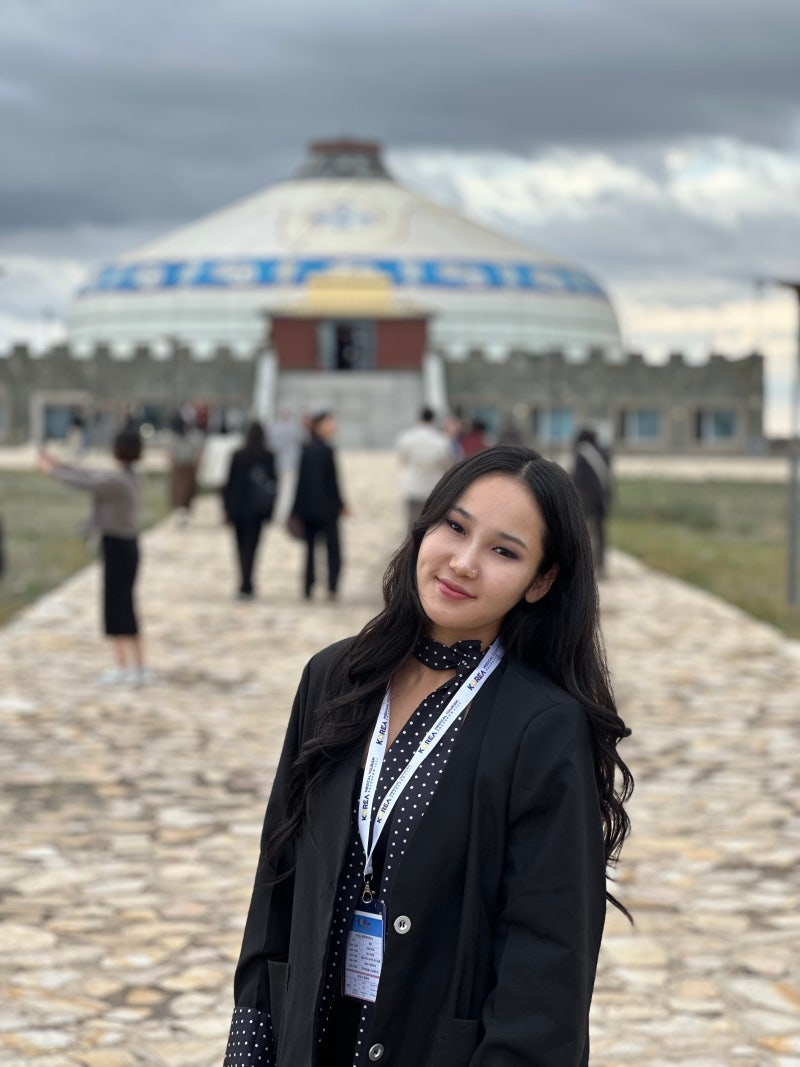
A woman wearing an event lanyard poses in front of a large ger-shaped building in Mongolia.
Jedo, who works on our skin team, also joined this trip to Mongolia.
Because Jedo is from Mongolia, the role is quite different from simply interpreting.
Not only do they share the same language, but they can also understand more closely which aspects make Mongolian patients uncomfortable, what explanations they need, and what concerns they have about Korean hospitals.
In caring for overseas patients, there is something just as important as translating words accurately: understanding what the patient really means by their question.
Even the same question can carry different concerns depending on culture and the medical environment.
That is why the more I work with overseas patients, the more I believe that understanding culture, not just language, is essential.
What I felt most strongly on site was “trust.”
When people hear about attracting overseas patients, they usually think of advertising first.
We create ads, publish content, and wait for inquiries to come in.
Of course, those efforts are necessary.
But for a patient receiving medical care in an unfamiliar country, it is not easy to choose a hospital based on advertisements alone.
Medical care is especially different from buying clothes or other goods, because it directly affects your face, skin, and body.
So this time, we changed the order a little.
We met people before advertising to them, listened before explaining our hospital, and checked what concerns they had before recommending any procedure.
I believe caring for overseas patients begins with building trust.
Concerns Mongolian patients actually had
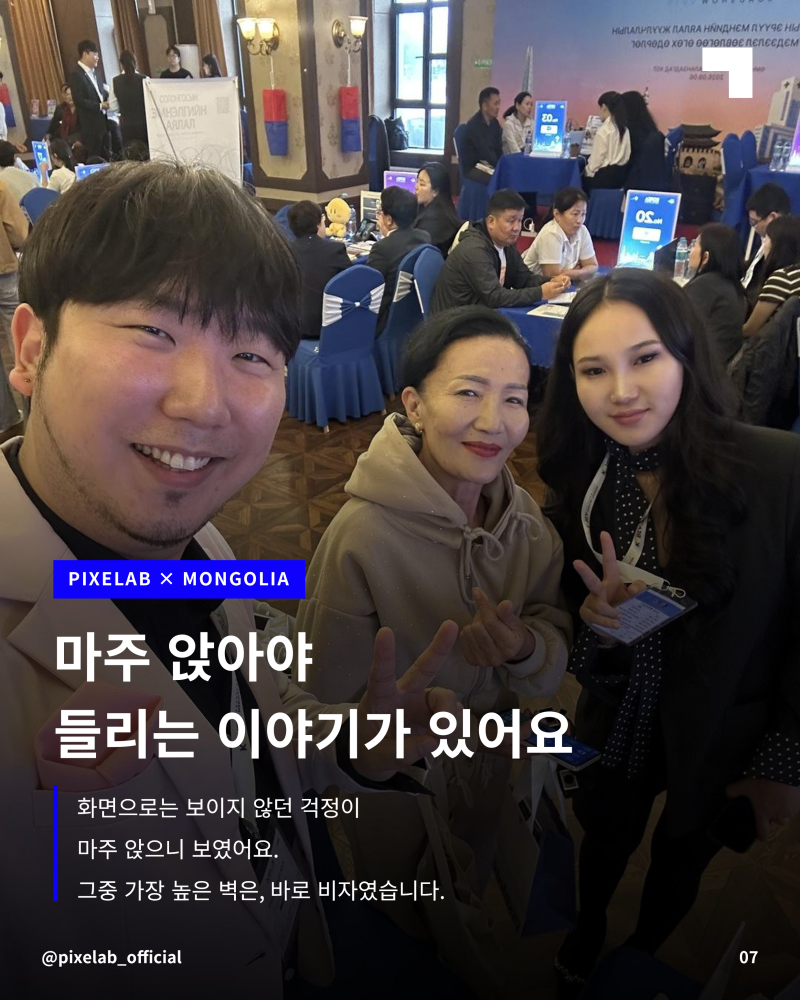

As we spoke with many patients on site, we found that they shared several common concerns.
One of them was visas and travel schedules.
Even when people want to receive treatment in Korea, they may give up because of visa issuance or travel logistics.
That is why Pixellab now guides patients through the visit preparation process from the start, when needed.
During this event, we also provided visa-related consultations, and there was even a case where visit preparations were completed in a short period of time.
Looking at these experiences, what overseas patients need is not just one good procedure.
The entire process matters, from before they come to Korea until after they return home.
If an overseas patient is choosing a Korean hospital

If I were in your position, I would recommend checking the four points above first.
Receiving medical care abroad is not just a matter of one day, the day of the procedure.
It should be a continuous process, from the initial consultation and visit planning to treatment, recovery, and aftercare after returning home.
A clinic that goes to meet patients rather than waiting for them
I believe this Mongolia medical tourism roadshow meant more than simply attending an overseas event.
Our staff met patients face to face on site and listened to what concerns they had, and this reminded all of us to think again.
There are things you simply cannot learn while waiting for patients to come to you.
Sometimes, we need to go to patients first and listen to where they hesitate.
And I believe it is the role of a clinic to remove those barriers, one by one.
Closing thoughts
Going forward, Pixellab does not intend to simply wait for overseas patients to come to Korea.
When necessary, we plan to go and meet them in person.
No matter which country a patient comes from, we want to ensure that they do not miss an explanation because of a language barrier, do not give up necessary treatment because of a short stay, and do not have to face their concerns alone, from before they come to Korea until after they return home.
That is how we approach the care of overseas patients.
Listening to our staff, who met patients in Mongolia and came back with their stories, I once again realized that good care can begin well before the moment a patient opens the clinic door and walks in.
Thank you.
Pixellab Plastic Surgery
Song Jong-geun, Chief Director


*This post was written directly by Pixellab Plastic Surgery Clinic for the purpose of providing medical information and promotion, in compliance with Article 56, Paragraph 1 of the Medical Service Act. All treatments and surgeries carry a possibility of side effects that vary from person to person. We strongly recommend making a decision only after thorough consultation with qualified medical professionals.
Frequently Asked Questions
Can overseas patients receive consultations directly in Mongolian?
Yes, Mongolian-language consultations are available. Pixellab’s skin team includes a staff member from Mongolia, who goes beyond simple interpretation to provide one-on-one consultations with a deep understanding of cultural context and the patient’s concerns.
Can I also receive guidance on visa issuance and travel planning when visiting Korea?
Yes, we also provide guidance on visa and travel schedule preparation. Pixellab consults with overseas patients on visa-related concerns and travel plans they face while preparing to enter Korea, helping to make the visit go smoothly.
Can I receive procedures or treatment during a short stay in Korea?
Yes, we can create a treatment plan tailored to your stay. Considering the circumstances of overseas patients visiting Korea for short trips, the clinic systematically coordinates everything from consultation and procedures to recovery schedules.
What does Pixellab Plastic Surgery prioritize when treating overseas patients?
We place the greatest importance on building trust with patients and on pre- and post-treatment care. We view the entire process, from visa consultation before the visit to recovery care after returning home, as one continuous course of care, not just the day of the procedure, and we support it accordingly.