2026-11-06
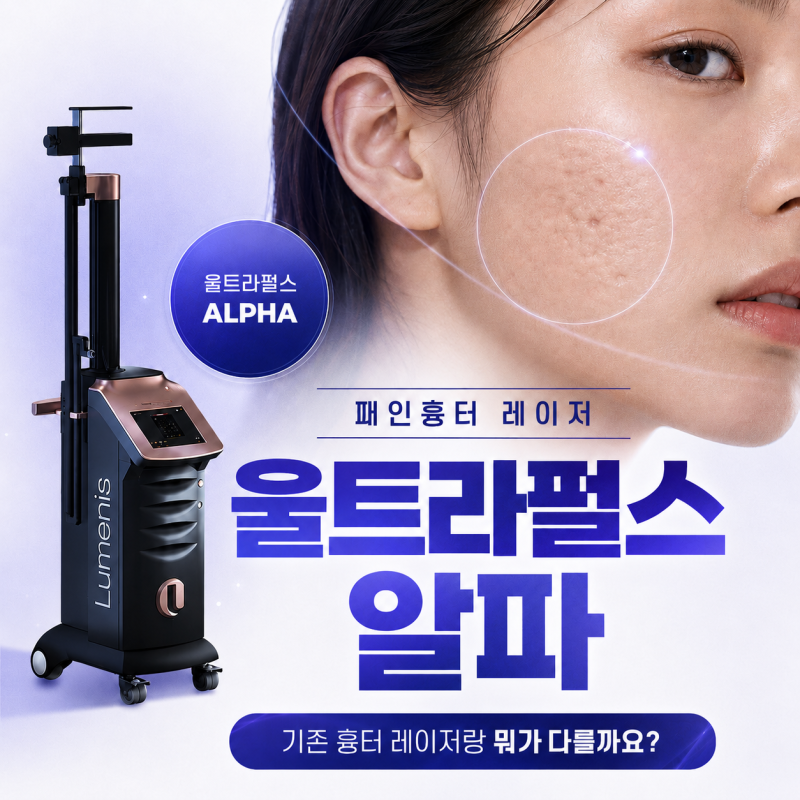
UltraPulse Alpha for Depressed Scars: How Is It Different from Other Scar Lasers?
Explains how UltraPulse Alpha differs from conventional CO₂ fractional lasers for depressed scars, covering scar-type design, DeepFX and CPG handpieces, and key cautions.

You've had depressed scar laser treatment once or twice, but haven't noticed much change?
Even when they look like the same depressed scars, some improve after treatment while others barely change.
The difference comes down to whether the treatment reached the tissue that pulls on the base of the scar.
Hello, this is Dr. Song Jong-geun of PIXELLAB Plastic Surgery Clinic in Sinnonhyeon.
Have you ever covered your face with your hand every time you had your picture taken because of acne marks or sunken scars?
If you have been searching for depressed scar lasers and have come across “UltraPulse Alpha,”
you have probably already been disappointed by one or two other acne scar laser treatments.
I am a board-certified plastic surgeon who completed a fellowship at a university hospital,
and as a physician who has long treated burn, acne, and surgical scars, I wanted to explain
the criteria I use when applying this device to scar and pore treatment.
Here, I want to explain why results differ from one scar to another, and how UltraPulse Alpha energy should be delivered to be effective for depressed scars,
and I'd like to lay out exactly what I explain in the clinic.
Why don’t depressed scars smooth out easily, even with lasers?
Depressed scars are not simply areas where the skin has sunk,
but often involve adhesive tissue beneath the skin that pulls on the base and creates the depression.
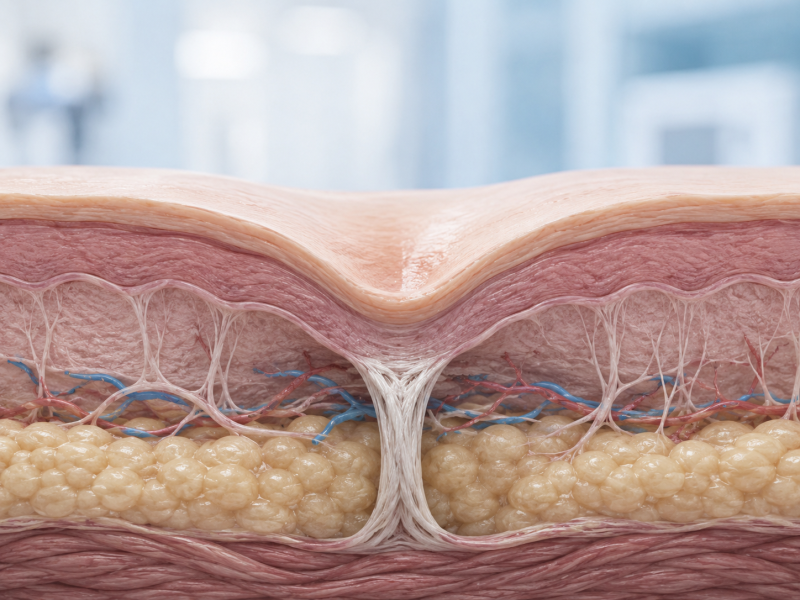
This is because the base of the scar is anchored deep in the skin like a string, constantly pulling the surface downward.
This string is called a “fibrous band.” Methods that only shave the surface shallowly cannot cut through it.
That’s why, even with the same device and energy, shallow marks improve while deeply embedded ones barely change.
So I always tell patients that in depressed scar laser treatment, the first question should be “can this be used appropriately for my scar?” rather than “what kind of device is it?”
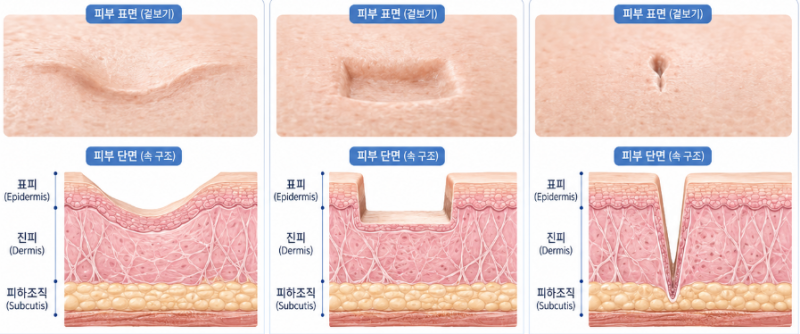
What type is my depressed scar? (Boxcar, Ice Pick, Rolling)
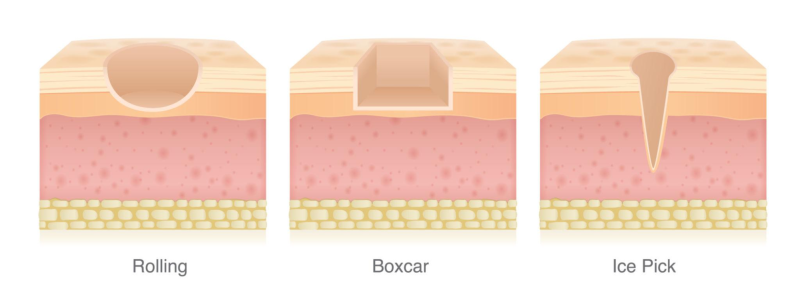
Illustration of three types of depressed scars in cross-section: rolling, boxcar and ice pick.
Depressed scars are broadly divided into three types, and each type calls for a different treatment approach.
Boxcar — wide depressions with angular edges. The side walls are relatively distinct, so smoothing the surface border is important.
Ice pick — narrow, deep, pinpoint-like depressions. Even though the surface area is small, the depth is significant, so the approach needs to reach the deeper layers and soften the firm tissue. In addition, to get through the narrow surface and reach the base, the laser beam must be very small in diameter and precise.
Rolling — broad depressions with gentle, undulating contours. The base is often pulled like a string, so deep adhesions need to be released while regenerative care is provided alongside.
That’s why I decide how to use UltraPulse by first distinguishing each patient’s scar type.
I carefully check the skin by personally observing whether the scar is pulled up along with the skin when I gently stretch it by hand, or whether only the surface is sunken.
So how is UltraPulse Alpha used differently for each type?
I match the handpiece to the scar type, designing differently for deeply embedded scars and for scars with broader surfaces.
① DeepFX and SCAAR FX
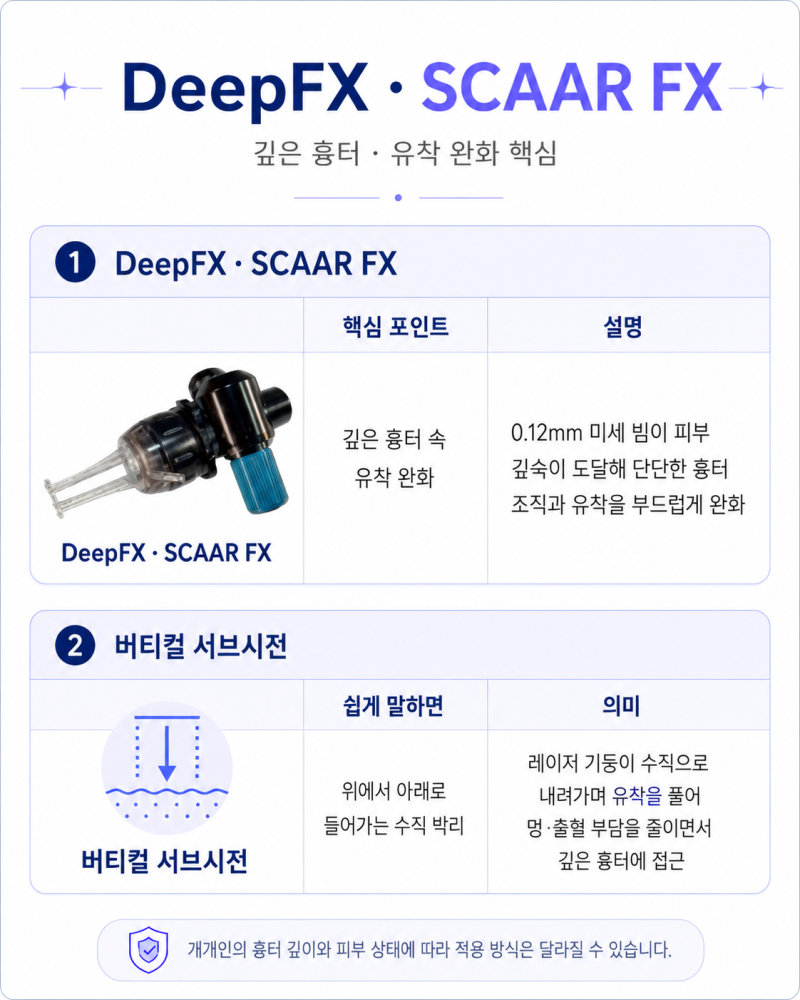
A 0.12 mm beam, thinner than a hair, penetrates deep into the skin.
At maximum energy, a single pulse reaches as deep as 4 mm,
which allows an approach aimed at releasing even the firm adhesions in deep scars.
This may get a little technical, but there is one key concept worth covering.
It is the concept of “vertical subcision” (vertical release).
Traditionally, subcision was done by inserting a needle sideways,
whereas the deep mode of UltraPulse Alpha releases adhesions by directing the laser column straight down from the surface.
That is why it is called vertical subcision.
Compared with the sideways approach, it carries a relatively lower risk of bruising and bleeding,
so I consider it appropriate for treating firmly hardened scars.
In addition, because it precisely cuts the adhesive bands, it also helps prevent re-adhesion.
② CPG scanner
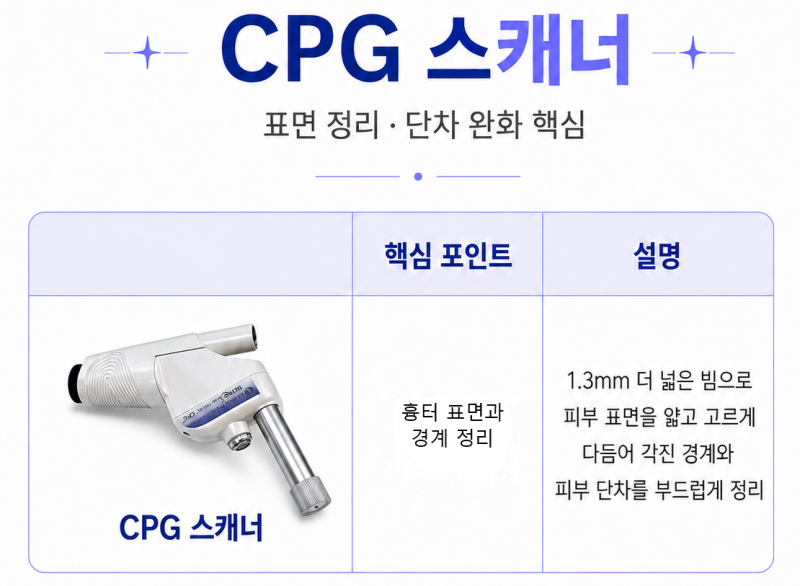
With a wider 1.3 mm beam, it evenly smooths the skin surface at a shallow depth.
This is the so-called “shouldering” process, which gently shaves down the borders of boxcar-type scars with angular side walls,
and it can also be described as reducing the step between the scar and normal skin so the border blends in naturally.
The CoolScan mode adds to this by moving the laser between spots instead of firing repeatedly at one location, spreading out the heat.
In summary, because UltraPulse Alpha allows you to combine a handpiece that releases deep scars with a handpiece that smooths the surface,
scars can be treated three-dimensionally.
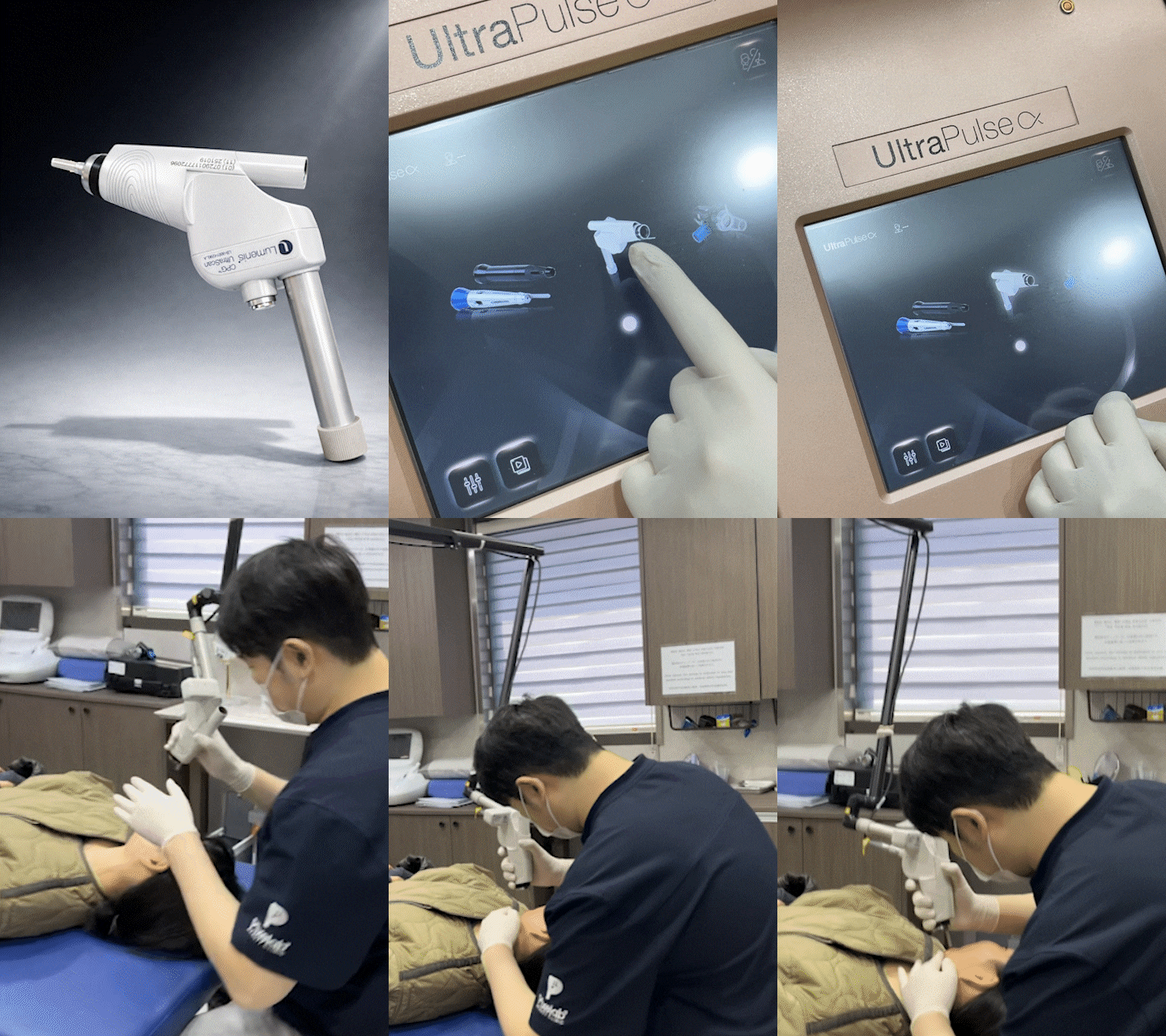
Product photo of the Lumenis CPG UltraScan laser handpiece.
Are the results really different from conventional CO₂ lasers?
Of course, there are clear differences in device characteristics. There are points that set it apart from conventional methods in terms of pulse structure and depth of reach.
But to be honest, what influences the outcome more than the device itself is “a design suited to your scar type.”
Comparison point | Conventional fractional CO₂ | UltraPulse Alpha |
Pulse structure | The tail of the laser pulse drags, causing more thermal damage to surrounding tissue | Ultrashort, high-peak-power pulses delivered in short, intense bursts |
Reaching the same depth | Relatively high energy is required | Lower energy to reach depth, reducing thermal damage |
Depth reached | Superficial to mid-level layers (mainly) | At maximum SCAAR FX energy, up to 4 mm in a single pulse |
Heat distribution | With sequential firing, heat builds up in one spot | CoolScan random-crossing pattern helps reduce heat buildup |
Depth and surface | With a single device, treating both at once is difficult | DeepFX for depth and CPG for surface, a three-dimensional design |
(Actual results may vary depending on individual scar type and skin condition.)
Is it also suitable for Korean skin?
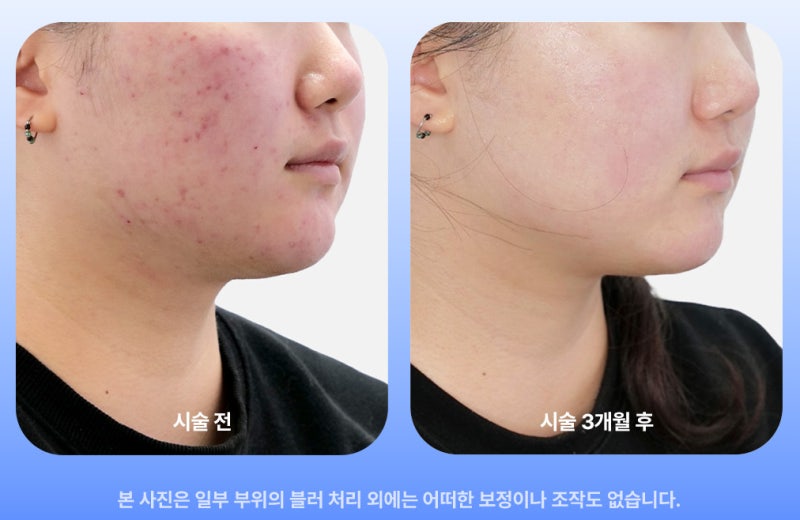
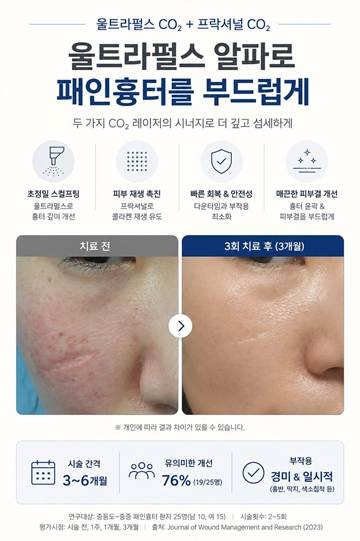
Photos of a patient's cheek before treatment and 3 months after. The note says nothing was retouched apart from blurring some areas.
In a study of Asian patients published in an international journal,
patients with moderate to severe atrophic (depressed) scars were treated with UltraPulse CO₂ and fractional CO₂
applied together over several sessions, and meaningful improvement was observed in many patients,
and reactions such as erythema, crusting, and post-inflammatory hyperpigmentation (PIH) were reported to be mild and temporary.
That said, there is something I want to be candid about in my clinic.
Treating aggressively enough to achieve satisfying results inevitably carries a pigmentation risk for Asian skin. This is something advertising rarely mentions.
That is why PIXELLAB Plastic Surgery Clinic minimizes that possibility with a care program that includes post-treatment regenerative and soothing care, as well as sun protection.
Results and recovery can vary from person to person, so rather than saying one laser is better than another, I always emphasize that skin evaluation must come first before choosing a treatment.
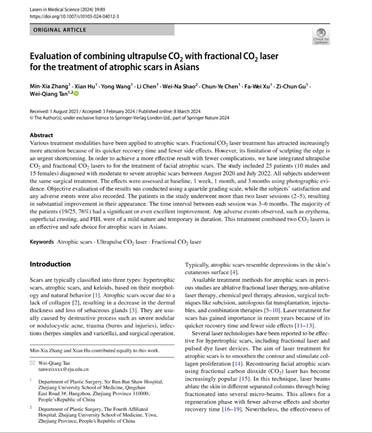
First page of a 2024 Lasers in Medical Science paper on combining ultrapulse and fractional CO2 lasers for atrophic scars in Asians.
In these cases, I do not recommend treatment
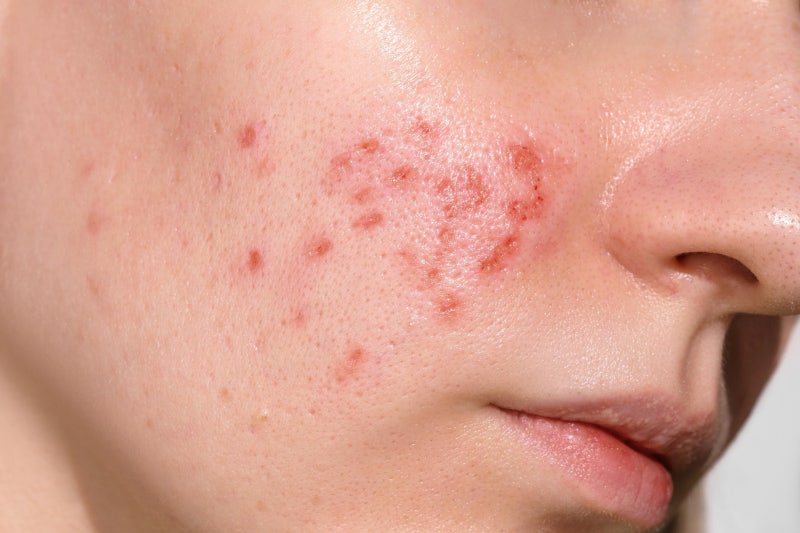
When inflammatory acne is actively flaring up — calming the acne comes before scar treatment.
For those with a predisposition to keloids or hypertrophic scars — other treatment options are considered first.
If you are currently taking or have recently stopped isotretinoin-type medication — we check when it was taken, then decide whether and when to proceed.
If you cannot make time for the redness and crusting recovery period — if an important event is coming up, it is better to postpone treatment to a later date.
In the end, is the most important thing a good machine?
Each scar calls for a different approach.
Even with the same depressed scar laser, how the practitioner designs the treatment matters.
Digging only into depth for scars that need surface smoothing, or only shaving the surface of scars with deep adhesions, will not produce the results you want.
In addition, scar treatment requires both “removing well” and “refilling well” to go hand in hand.
Once the laser has cleared away scar tissue,
regenerative care must be added so that the space fills in with new tissue.
I design these two components as a single package.
Depressed scar laser treatment is not a procedure that makes scars disappear dramatically in one session,
so depending on the scar type and depth, you may need to spread treatment across multiple sessions or combine it with other therapies.
That is why, rather than choosing a machine in advance and then consulting,
I want to emphasize that it is more important to confirm the right treatment approach for you after an accurate diagnosis.
The longer you have lived with a scar concern, the more I recommend starting by checking your scar type.
Frequently Asked Questions
Q1. Are boxcar scars and ice pick scars treated the same way?
Because each type requires a different approach, I design the treatment by type, deciding whether to smooth the surface or release the deeper layers.
Q2. How do the results of UltraPulse Alpha laser treatment differ from those of other CO₂ laser devices?
First, I want to emphasize that “a design suited to your scar type” matters more than the differences between devices.
That said, if I had to summarize the difference, it is that UltraPulse Alpha can treat deep scars and shallow surface scars together.
Q3. Can I return to my daily routine right after treatment?
Recovery varies from person to person, but expect several days of redness and crusting.
I provide specific guidance based on your skin condition, and I explain recovery care in detail after treatment.
If you have any questions, please feel free to contact us for a consultation anytime.



*This post was written directly by PIXELLAB Plastic Surgery Clinic for the purpose of providing medical information and promotion, in compliance with Article 56, Paragraph 1 of the Medical Service Act. All treatments and surgeries carry the possibility of side effects depending on the individual, so we strongly recommend making a decision only after thorough consultation with qualified medical professionals.
#DepressedScarLaser #UltraPulseAlpha #AcneScarLaser #ScarLaser #SinnonhyeonAcneScars #SinnonhyeonScarTreatment #PIXELLABPlasticSurgery