2026-09-17
Sharing Real-World Plastic Surgery and Dermatology Insights at Kyungbok University's Department of Medical Beauty
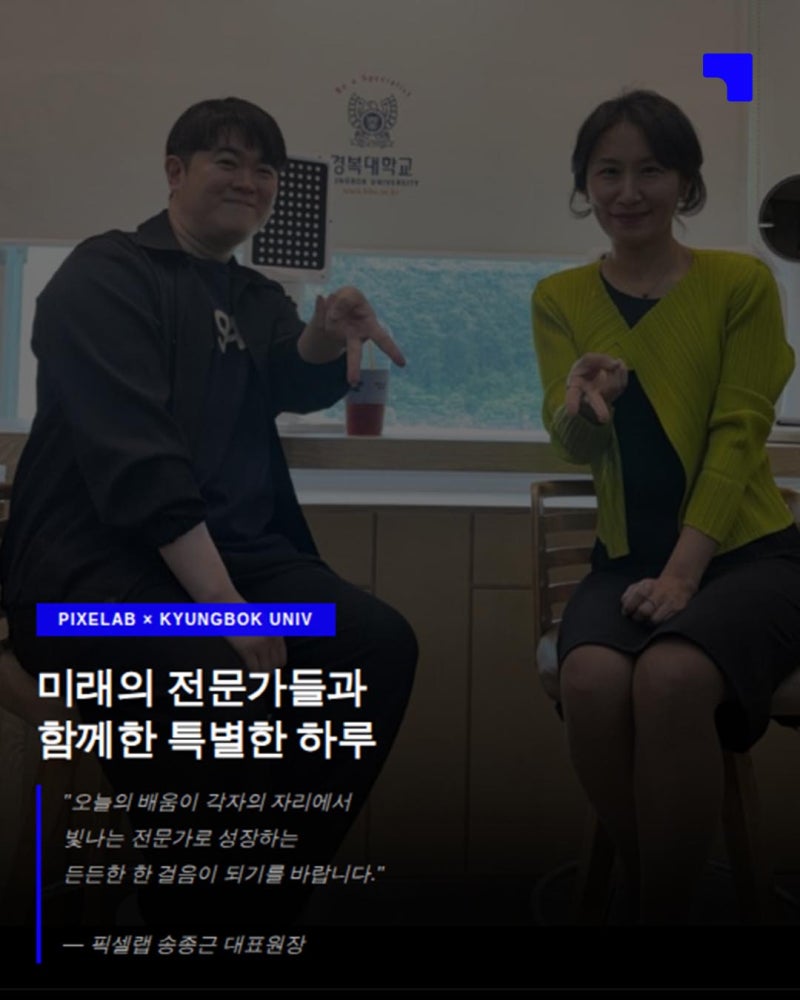
Dr. Jong-geun Song of Pixel Lab Plastic Surgery delivers a guest lecture at Kyungbok University, sharing practical insights on medical aesthetics and patient-centered care directly from the clinic floor.
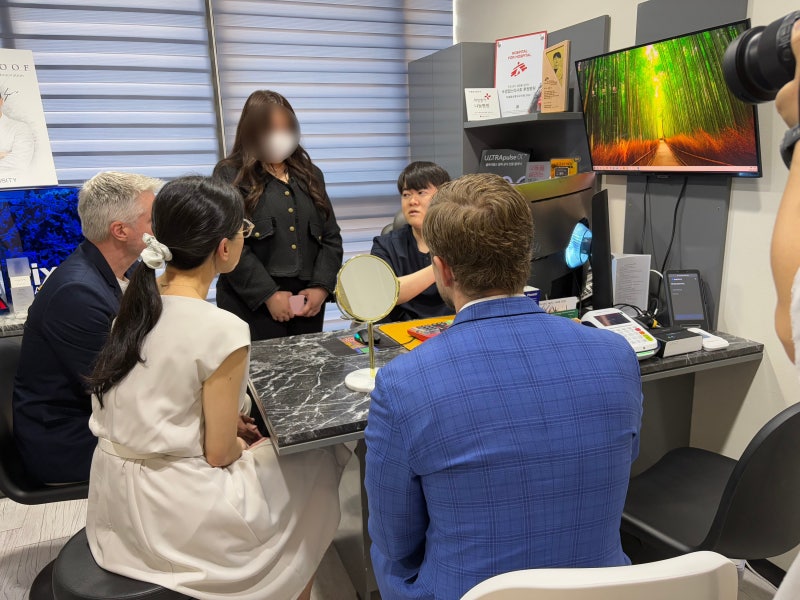
Hello,
I am Dr. Jong-geun Song,
Head Director of Pixel Lab Plastic Surgery.
Visiting Kyungbok University Namyangju Campus.
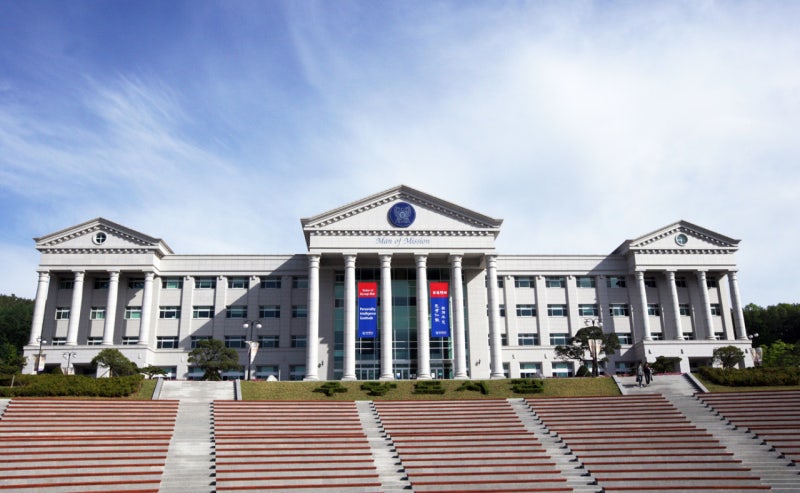
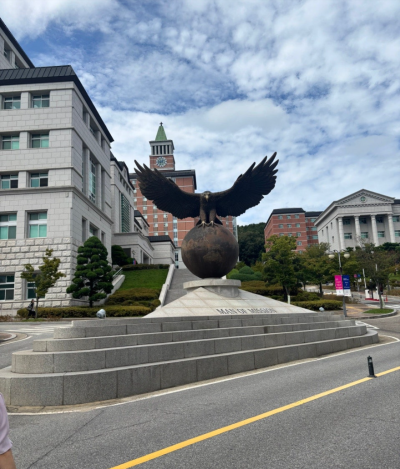

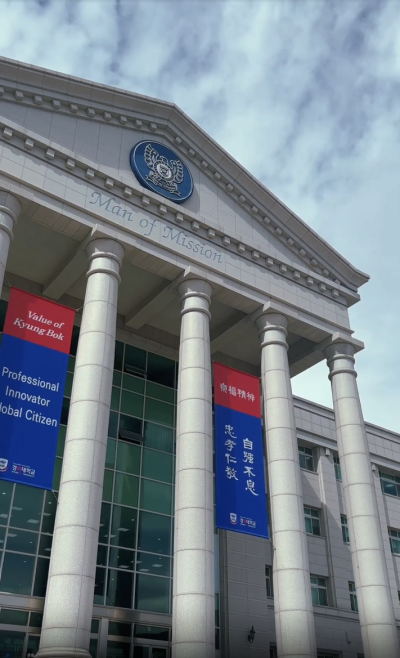

Last week, I visited the Namyangju Campus of Kyungbok University
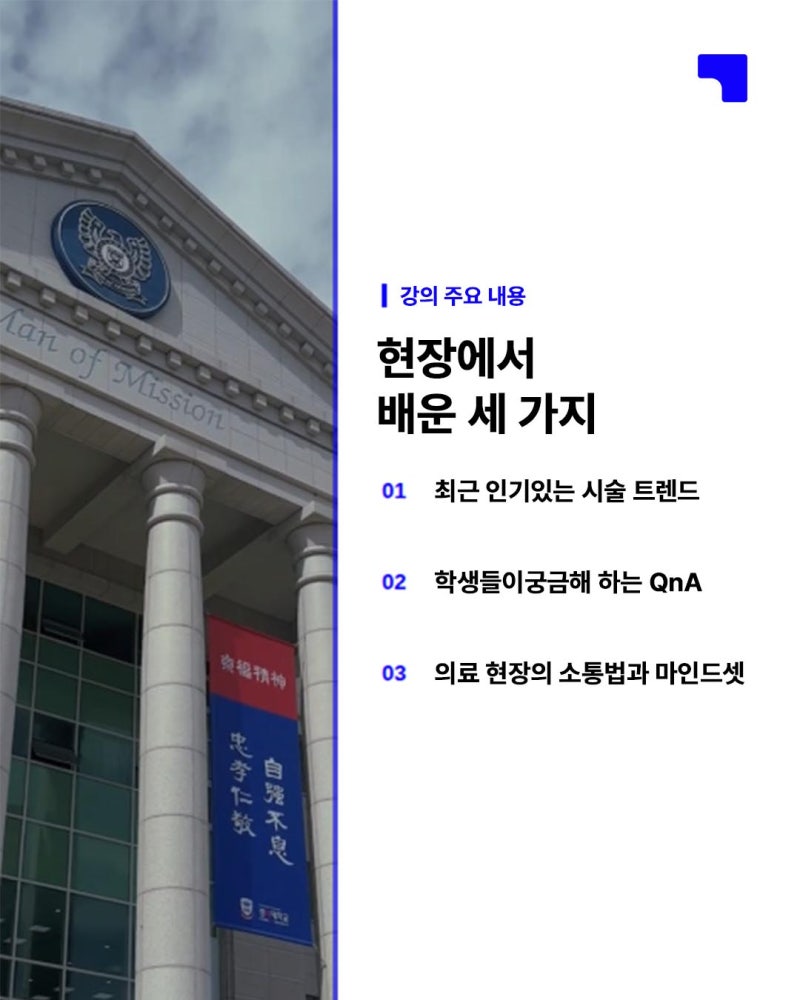
to deliver a special lecture titled
'Plastic Surgery Manager Master Class'
for students in the Department of Medical Beauty.
Since it had been a long time since I last visited a university campus,
as I drove from Seoul to Kyungbok University,
"What kind of students will I meet at today's career lecture?"
I thought to myself,
driving with excitement and anticipation.
Normally, I spend most of my time
with patients in the consultation room and operating theater,
but this time, in a slightly different setting,
I had the opportunity to converse with students
who will soon be working in the medical beauty field.
Rather than merely reciting textbook content,
I wanted to convey to the students
"what really matters in an actual clinical setting."
In fact, I spent three full days
preparing the lecture myself.
I put a lot of thought into how to deliver
the most valuable information as efficiently as possible
within the limited time frame.
It all begins with understanding the skin and aesthetic medicine.
When working in the field of aesthetic medicine,
there is something far more fundamental to grasp
than memorizing procedure names or device types:
namely, the anatomical structure of the skin and face,
as well as the core principles behind treatments.
Even when patients visit with similar concerns,
their skin thickness, overall condition, scar morphology,
and facial structure vary from person to person.
Therefore, in real clinical practice,
rather than asking "which procedure is trending,"'
it is essential to understand
why a specific treatment is necessary
and what physiological principles should guide the approach.
In this lecture for Kyungbok University's
Department of Medical Beauty students,
grounded in this fundamental understanding of skin and aesthetic medicine,
I explained how to evaluate and approach patients
in an actual clinical environment.
The medical field is, ultimately, about understanding 'people.'
Patients who visit plastic surgery and dermatology clinics
do not do so merely to achieve external changes.
Each patient enters the consultation room
carrying their own unique reasons and stories—
whether it is long-standing skin issues, scars,
or psychological stress regarding their appearance.
That is why I believe that
not only the medical team,
but all staff members who communicate closely with patients,
need far more than just technical or administrative competence.
Listening carefully to the patient's concerns,
explaining the treatment process thoroughly so they understand it,
and staying attentive through their post-treatment care and recovery—
these thoughtful, cumulative steps
shape the patient's overall experience
at the clinic.
Sharing insights gathered from hands-on clinical experience.
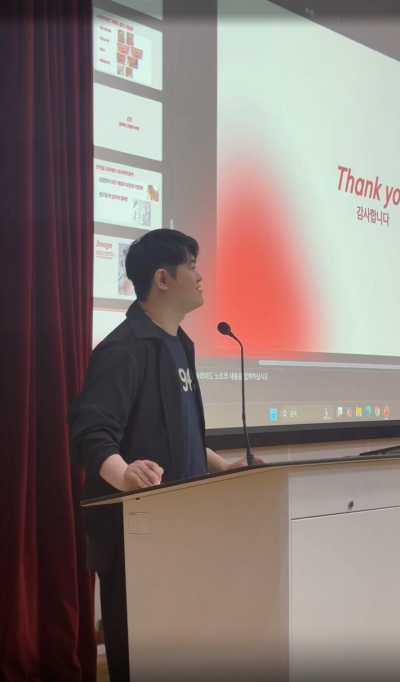

During this special lecture
at Kyungbok University,
drawing from my own clinical cases
while running both plastic surgery and dermatology practices,
I strove to share with the students
the practical elements needed in the field
as realistically as possible.
I also discussed
effective communication between medical staff and team members,
the mindset required when attending to patients,
and why precise comprehension and a sense of responsibility
are paramount when providing healthcare services.
During the session,
the students asked surprisingly specific and enthusiastic questions,
which made the discussion thoroughly enjoyable for me as well.
To some, working in a medical environment
might still feel like the distant future;
I hope this session helped bring that reality
a bit closer to home.
Excellent medical care is never achieved by one clinician alone.
Quality treatment delivered in a clinic
is not accomplished solely by the skill
of a single physician.
From consultation to diagnosis, procedures, surgery, and follow-up care,
it is co-created by many team members
fulfilling their respective roles at every step.
For this reason, I believe
it is essential that team members do not simply 'perform' their tasks,
but genuinely understand
why each process is necessary.
This was the core message
I wanted to impart to the students
through this lecture.
While technical skills and knowledge are indispensable,
I hope they become professionals who constantly reflect on
how that knowledge should be thoughtfully applied
when interacting with real patients.
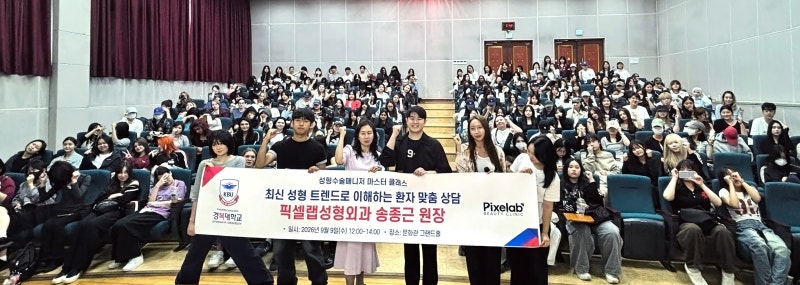
Stepping out of the clinic after a long while
and conversing with future medical aesthetic specialists
allowed me to reconnect
with the dedication I felt when I first began this journey.
I hope this lecture served as a helpful foundation
for the students as they build their professional careers
in the aesthetic medical field.
At Pixel Lab Plastic Surgery,
I will continue to examine each patient's condition meticulously
and remain dedicated to providing better treatment methods.
Thank you.
Pixel Lab Plastic Surgery
Head Director, Dr. Jong-geun Song


Frequently Asked Questions
What was the theme of the special lecture at Kyungbok University's Department of Medical Beauty?
The lecture was conducted under the theme 'Plastic Surgery Manager Master Class.' Rather than covering basic textbook facts, Dr. Song shared core principles of skin anatomy, realistic clinical cases, and the attentive mindset needed when caring for patients in a real medical environment.
What is more important to understand in aesthetic medicine than equipment or procedure names?
Understanding facial anatomy, skin structure, and treatment mechanisms is fundamental. Because every patient has distinct skin thickness, conditions, and scar patterns, it is far more critical to understand why a treatment is indicated and how it works rather than simply memorizing popular procedures.
What attitude is required of medical professionals and clinic staff during plastic surgery and dermatology consultations?
An empathetic and attentive listening posture is essential. Patients visit not only for aesthetic enhancement but also due to stress from longstanding skin concerns or scars. Therefore, staff must clearly communicate treatment steps and guide patients through their full recovery journey.
What is the most critical element for delivering quality patient care?
Seamless collaboration among all clinic team members—from consultation and treatment to surgical support and follow-up care—is vital. Excellent clinical care cannot be achieved by a doctor alone; every staff member must understand the purpose of each step and carry it out with responsibility.
Where is Pixel Lab Plastic Surgery located?
Pixel Lab Plastic Surgery is located on the 3rd floor of Gangnam Station Riga Square, 42 Seocho-daero 73-gil, Seocho-gu, Seoul, where Head Director Dr. Jong-geun Song provides meticulous, individualized care.