2026-09-25
Why Lateral Cheek Filler Swelling Varies: Key Insights from a Board-Certified Plastic Surgeon
Discover why lateral cheek filler swelling varies per individual, how proper depth and cannula use minimize downtime, and key criteria to check before treatment.
Lateral cheek filler swelling is mostly temporary, typically becoming most noticeable 2 to 3 days post-procedure before gradually subsiding.
However, the degree of swelling depends not only on individual constitution but also on the injection volume, injection layer, and technique.
Today, I will explain what to actually expect regarding lateral cheek filler swelling, along with the essential criteria to check before treatment to minimize swelling.
Hello,
I am Dr. Jong-geun Song, Director of Pixel-Lab Plastic Surgery at Gangnam Station.
- My lateral cheeks are sunken, making my cheekbones stand out too much. - My face looks angular and wide.
As you can see, a lack of volume in the lateral cheeks goes beyond simply making one area look hollow;
it can affect the overall impression of your entire face.
The most common question asked during consultations is simply:
Will the swelling be severe?
Today, I will provide clinical insights into lateral cheek filler swelling,
as well as the key points you must evaluate when choosing a procedure.
1. Lateral Cheek Filler: Why Does It Transform the Face?
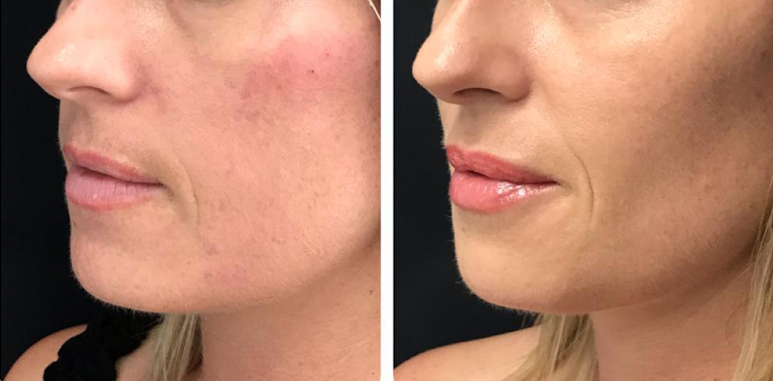
Many people feel their face lacks three-dimensionality
when viewed from the side or at a slight angle,
rather than directly from the front.
One primary reason for this is a lack of volume in the lateral cheeks and temples.
The lateral cheek is the soft tissue volume zone extending from the outer cheekbone to the temple.
When this area hollows out, the cheekbones appear relatively more prominent,
and the facial contour can look interrupted or harsh.
2. Where Are the Lateral Cheeks? Accurate Anatomical Understanding
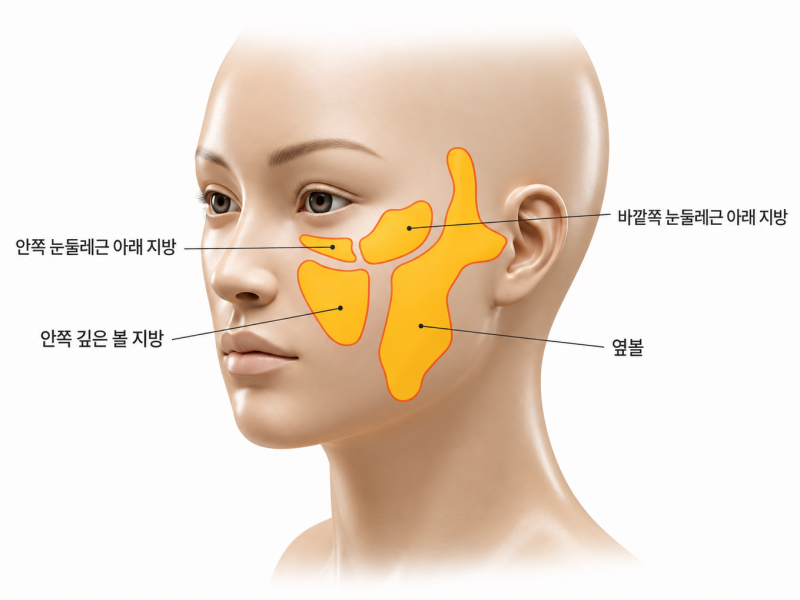
Many people confuse the lateral cheeks
with the cheekbones.
The cheekbone, or zygomatic bone, is a bony protrusion,
while the lateral cheek refers to the soft tissue area running from the outer cheekbone toward the front of the ear and temple.
Simply put, the cheekbone is bone,
and the lateral cheek comprises the surrounding soft tissue and fat.
This area naturally hollows out with age as fat tissue diminishes
or skin elasticity decreases.
Some individuals are born with a thin fat layer,
while others experience rapid volume loss following drastic weight loss.
Ultimately, when lateral cheek volume is lost, the cheekbones appear relatively more prominent,
and the lateral facial contour can look uneven and angular.
3. What Changes Can You Expect When Lateral Cheek Volume Is Restored?
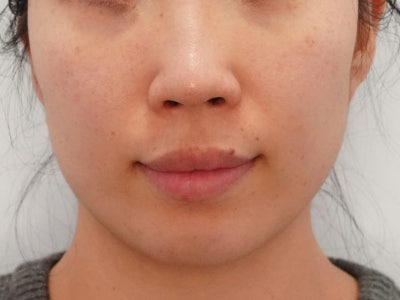
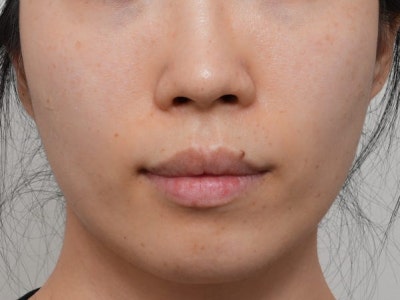
Replenishing the hollow lateral cheek area can provide the following benefits:
|
Lateral cheek filler injects dermal filler into the sunken soft tissue
to restore lost volume
and create a smooth facial contour connecting the cheekbone to the front of the ear.
When necessary, the treatment can also extend smoothly
into the temporal region.
Rather than merely adding volume,
it is crucial to design the treatment around the overall structure and proportions of the face.
During consultations, many patients say, "I want to get rid of my cheekbones."
Of course, fillers cannot reduce the bone itself.
However, by replenishing volume in the hollow areas surrounding the zygomatic bone,
we create an optical illusion that makes the cheekbones appear significantly softer and less prominent.
The defining advantage of lateral cheek filler is that it softens and balances the facial contour
without the need for bone reduction surgery.
4. How Severe Is Lateral Cheek Filler Swelling in Reality?
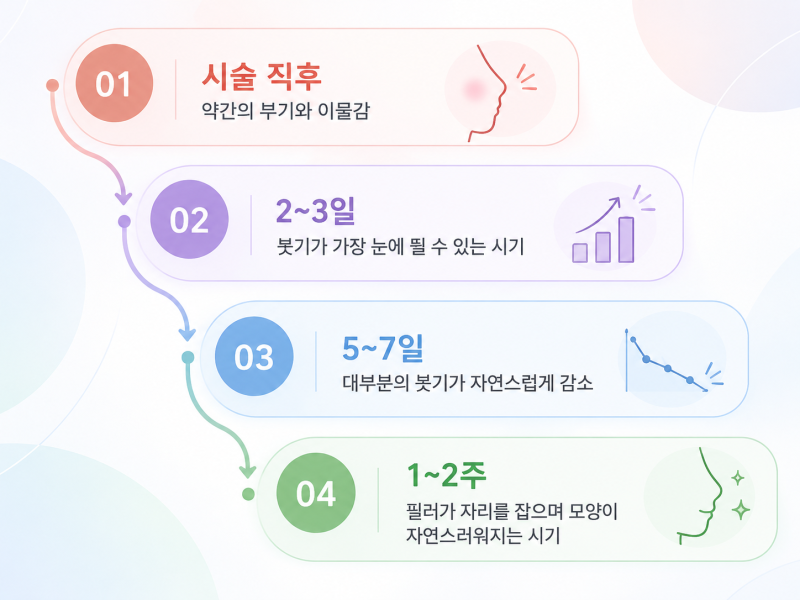
To answer directly: normal post-treatment swelling
is mostly mild and temporary.
Here is the typical recovery timeline for swelling:
|
For most patients, it does not significantly interfere
with daily activities,
though the severity of swelling and recovery speed vary individually.
5. Why Do Swelling Reactions Differ from Person to Person?
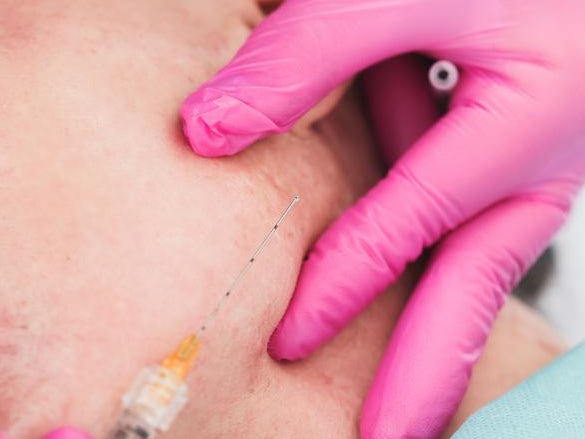
Differences in lateral cheek filler swelling are not dictated by individual constitution alone.
The injection technique and anatomical plane also play substantial roles.
Factors that can aggravate swelling include:
|
When these issues occur, they can lead beyond simple initial swelling
to induration (hardness), inflammation, or chronic intermittent edema, making the injection process paramount.
6. Three Core Principles to Minimize Lateral Cheek Filler Swelling
I strictly adhere to three principles
when performing this procedure.
First, using a cannula.
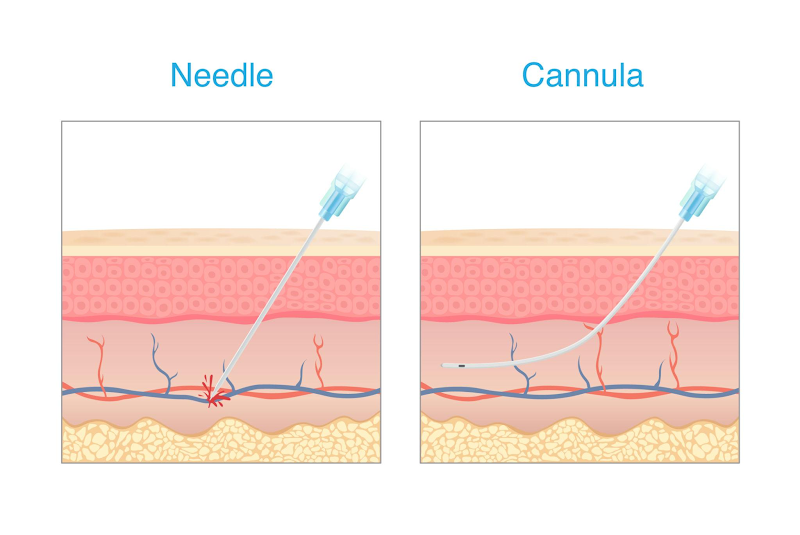
Whenever appropriate,
I utilize a blunt-tip cannula instead of a sharp needle
to minimize trauma to surrounding tissue and blood vessels.
Second, micro-droplet multi-layer distribution.
Rather than depositing a large bolus in one spot,
I distribute micro-aliquots evenly across designated areas
to achieve a smooth, natural contour.
Third, precise target plane verification.
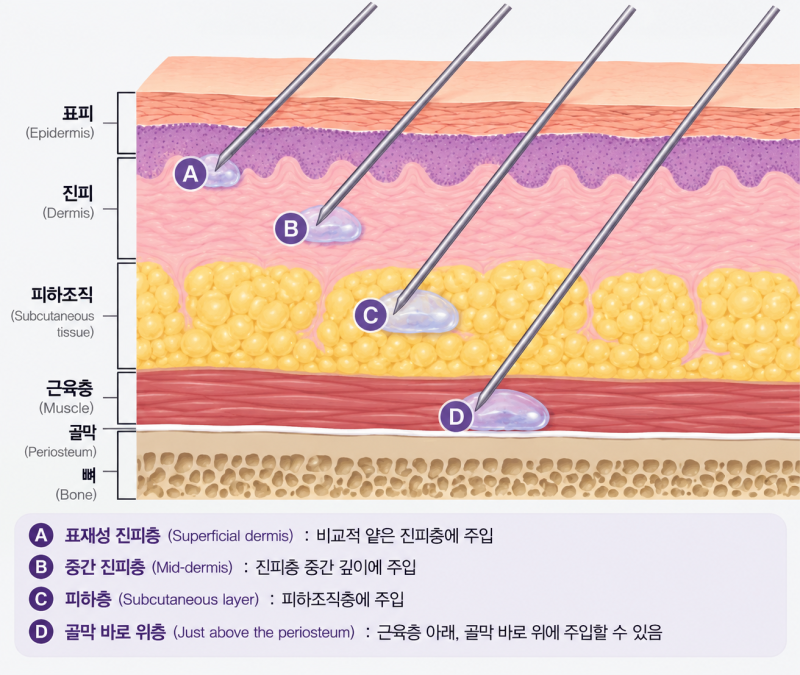
I clearly differentiate between the subcutaneous fat layer and fascial plane in the lateral cheek and temple,
injecting filler at the precise anatomical depth tailored to the patient's anatomy.
Ultimately, lateral cheek filler swelling depends less on "how much was injected"
and far more on "where and how it was injected."
7. More Critical Than Initial Swelling: 'Delayed-Onset Swelling'
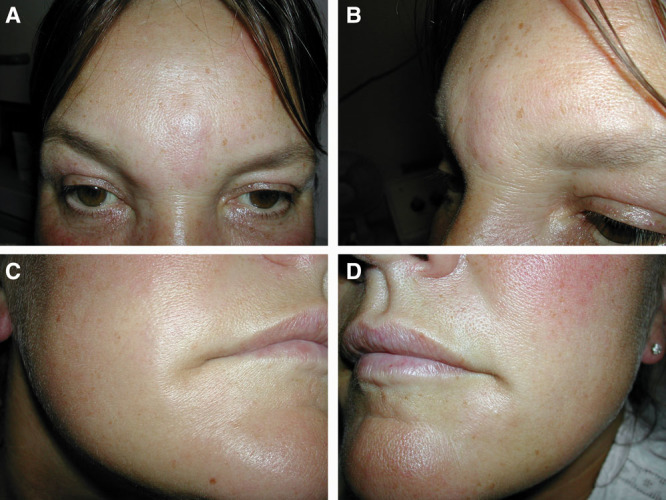
If sudden or recurrent swelling occurs
months after treatment,
it must be differentiated from routine initial swelling.
Potential causes including immune responses, low-grade inflammatory reactions, or tissue reactions around the filler must be investigated.
In particular, if firmness accompanies the swelling or if episodes recur without spontaneous resolution,
you should not simply wait; an in-depth medical evaluation should be performed,
and interventions such as hyaluronidase dissolution or medical therapy should be considered.
8. What Does Pixel-Lab Prioritize in Lateral Cheek Fillers?
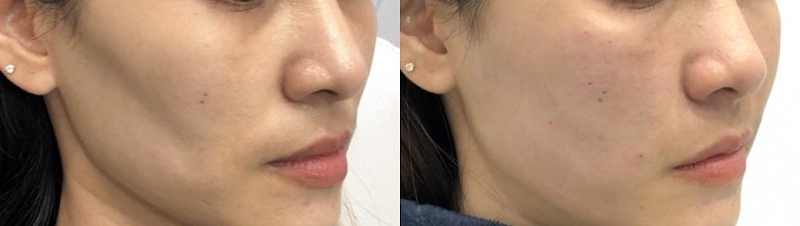
The lateral cheek and temporal regions require
a highly meticulous approach.
Before treatment, I thoroughly analyze each patient's anatomical structure and volume distribution.
At Pixel-Lab, we design treatments according to the following principles:
|
If you are concerned about lateral cheek filler swelling,
instead of solely comparing price or syringe volume,
make sure to evaluate how your facial anatomy will be analyzed and what technique will be used.
✦ Frequently Asked Questions

Q1. When is lateral cheek filler swelling at its peak?
Swelling is generally most noticeable
2 to 3 days post-procedure, gradually subsiding thereafter.
Q2. Can I resume normal daily activities immediately after lateral cheek filler?
Most patients resume daily activities immediately,
though minor swelling and bruising vary by individual.
If you have an important event,
it is best to allow a buffer of a few days.
Q3. Does injecting more lateral cheek filler make the face look smaller?
Not necessarily.
Overfilling beyond what is anatomically needed
can make the face look bottom-heavy
or unnatural.
Q4. Do lateral cheek and temple fillers always need to be done together?
Not everyone requires both.
The decision depends on the degree of hollow in each area
and the continuous transition along your facial profile.
Q5. What should I do if swelling persists for an unusually long time?
If swelling worsens,
or is accompanied by firmness, pain, or heat,
do not mistake it for routine initial swelling;
seek an evaluation from your medical provider promptly.
Lateral cheek filler is not merely about
filling a hollow indentation.
I design each treatment to achieve the most natural harmony by examining the seamless transitions between the lateral cheek, temple, and cheekbone, as well as overall facial proportions.
If you have any further questions,
I encourage you to schedule an in-depth consultation to accurately analyze your facial anatomy and determine the optimal treatment strategy.




* This post was written directly by Pixel-Lab Plastic Surgery Clinic in compliance with Article 56, Paragraph 1 of the Medical Service Act for medical informational and educational purposes. As all medical treatments and surgical procedures carry potential risks and side effects that vary by individual, please consult thoroughly with a qualified specialist before making any treatment decisions.