2026-09-14
Maximizing Titanium Lifting Results: 2 Critical Factors You Must Check
Discover why Titanium Lifting results vary and the 2 critical factors—custom total energy (kJ) and area-specific mode design—needed for visible tightening and contouring.
Some individuals mention that they did not notice significant results after undergoing a Titanium Lifting procedure.
Even when the exact same device is used, visible outcomes can vary greatly depending on the customized total energy delivered and the specific treatment technique applied to each face.
When assessing Titanium Lifting effectiveness, the two primary elements I evaluate first are the "total energy output" and the "area-specific mode design."
Hello,
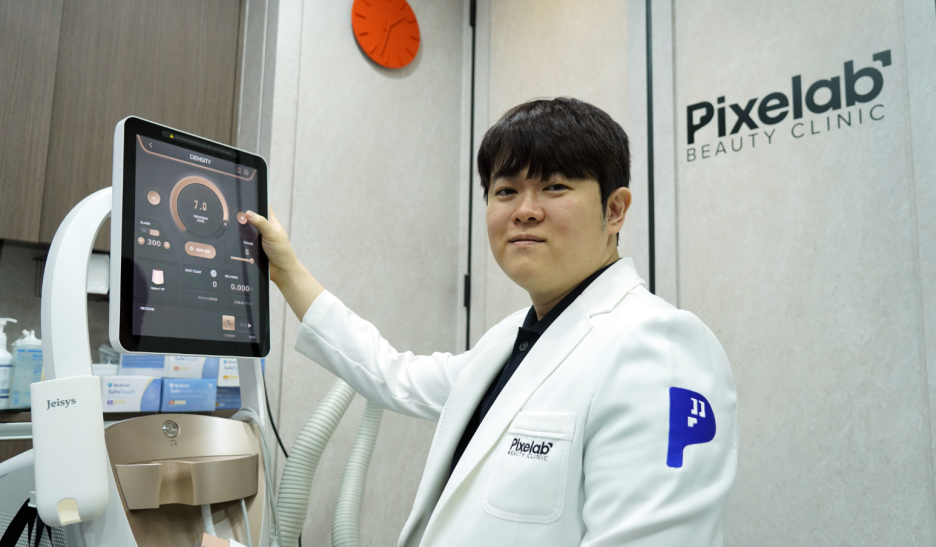
I am Dr. Song Jong-keun, Director at Pixel Lab Plastic Surgery in Sinnonhyeon.
As a board-certified plastic surgeon with 15 years of clinical experience, I specialize in both facial lifting procedures and advanced laser treatments for scars and enlarged pores.
Pixel Lab Plastic Surgery has administered over 10 million cumulative shots of Titanium Lifting to date.
"I had Titanium Lifting done before, but I honestly couldn't tell much of a difference."
This is feedback we occasionally hear during initial consultations.
Despite using identical technology, some patients experience visibly contoured jawlines and significantly improved skin elasticity, whereas others see minimal changes.
In my experience, this difference does not stem from the brand name of the device, but rather from how precisely that energy is delivered.
Achieving optimal outcomes requires tailoring the total energy delivered across the entire face while adjusting treatment parameters to match the unique skin thickness and fat volume of each facial zone.
Today, I will explain the mechanism behind Titanium Lifting, focus on these two crucial factors, and discuss when you can realistically expect to see results.
1. How Does Titanium Lifting Work?
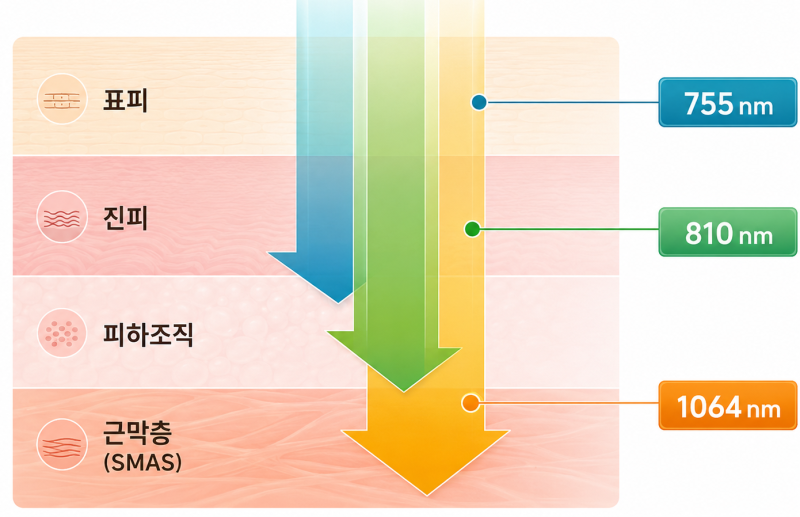
Titanium Lifting simultaneously emits three distinct wavelengths: 755nm, 810nm, and 1064nm.
Because each wavelength features different absorption rates and tissue penetration depths, they cumulatively build thermal energy within multiple skin layers to stimulate tightening and collagen remodeling.
During the session, a specialized gel is applied to the face, and the handpiece is glided smoothly in continuous contact across the skin to deliver targeted energy.
The system integrates continuous contact cooling technology on the skin surface, significantly alleviating discomfort, thermal stress, and procedural pain.
However, the subjective sensation of warmth or mild discomfort can vary depending on individual pain tolerance, the area treated, and baseline skin sensitivity.
2. First Criterion: "Customized Total Energy for Your Face"
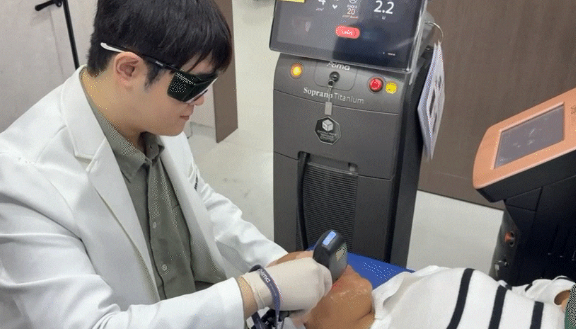
Titanium Lifting cannot be evaluated solely by the raw number of shots administered.
A medical practitioner must deliberately calculate the total thermal energy (measured in Kilojoules, kJ) and plan the precise anatomical coverage.
At Pixel Lab, a light tightening session for targeted localized areas might utilize around 30 to 40 kJ, whereas full-face contouring and deep elasticity remodeling may require a comprehensive plan exceeding 90 kJ.
A higher number does not automatically guarantee superior results.
It is essential to assess facial dimensions, dermal thickness, subcutaneous fat volume, and the degree of tissue laxity before carefully allocating energy where it is truly needed.
Therefore, during every consultation, I first identify the patient's primary area of concern. From there, I customize the energy allocation depending on whether we are focusing sharply on the jawline or treating overall facial firmness.
3. Second Criterion: "Area-Specific Mode Design"
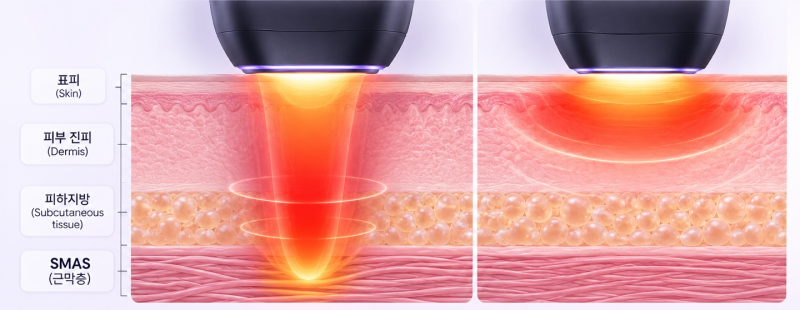
Mode | Key Characteristics | Primary Treatment Areas |
STACK | Delivers concentrated, overlapping pulses to a pinpoint focal area | Buccal fat pads, double chin, submental area |
SHR | Glides rapidly across broad zones to build uniform thermal energy | Cheeks, overall dermal firmness, skin texture refinement |
Skin thickness and subcutaneous fat distribution differ significantly across each part of the face.
Consequently, treating stubborn areas like the jowls or double chin with the exact same technique used around the delicate peri-orbital area or anterior cheeks leads to suboptimal results. The treatment technique must be customized according to regional anatomical characteristics.
At Pixel Lab Plastic Surgery, we combine and distribute both modes strategically across distinct facial regions, frequently pairing the treatment with an Ethosome PTT ampoule to simultaneously improve skin tone and clarity.
Furthermore, when treatments are designated to the medical director, I apply a proprietary "Impact Technique" customized specifically to the structural profile of each patient's face.
Ultimately, even with the same machine, outcomes differ vastly based on how accurately the physician maps out facial anatomy and distributes energy and modality modes.
4. When Do the Results Become Noticeable?
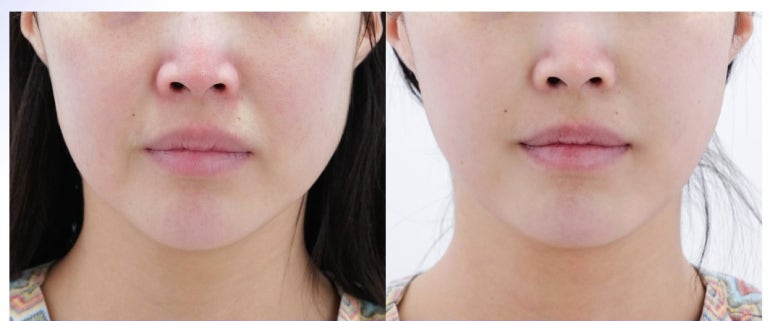
With Titanium Lifting, the immediate post-procedure sensation differs from the gradual, long-term cellular improvements.
Immediately After - A subtle tightening sensation caused by thermal contraction, light firmness 2 to 4 Weeks - As neocollagenesis progresses, skin texture and elasticity refine steadily Long Term - Ongoing collagen remodeling solidifies slimmer, well-defined facial contours |
Rather than judging the final outcome immediately after looking in the mirror on day one, I recommend monitoring your jawline contour and skin elasticity progression over the span of roughly one month.
5. Ideal Candidates for Titanium Lifting
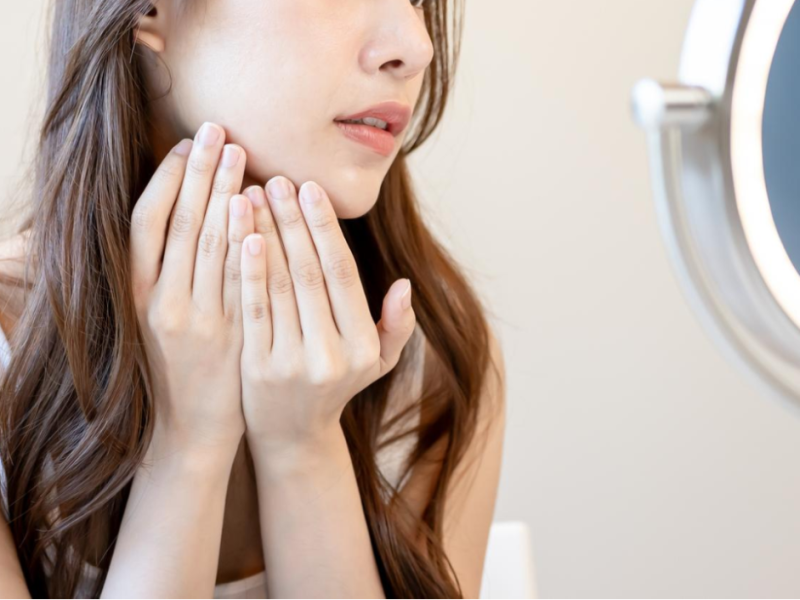
|
Keep in mind that Titanium Lifting is not a universal solution for every form of facial sagging.
Depending on the structural cause and depth of tissue descent, alternative approaches such as micro-focused ultrasound (HIFU) may be more appropriate. A thorough anatomical evaluation by an experienced physician is always essential.
6. Can You Return to Normal Activities Immediately?
One of the greatest benefits of Titanium Lifting is its ability to produce immediate tightening while significantly minimizing skin irritation and discomfort.
Thanks to precision sapphire contact-cooling technology that maintains low surface temperatures, the treatment rarely leaves bruising or lingering redness, allowing you to return to daily routines right away without a dedicated recovery period.
Depending on baseline sensitivity, mild, temporary erythema or warmth may occur.
We advise avoiding extreme heat exposures such as saunas or intensive chemical peels on the day of treatment.
7. Cases Where Alternative Treatments Should Come First
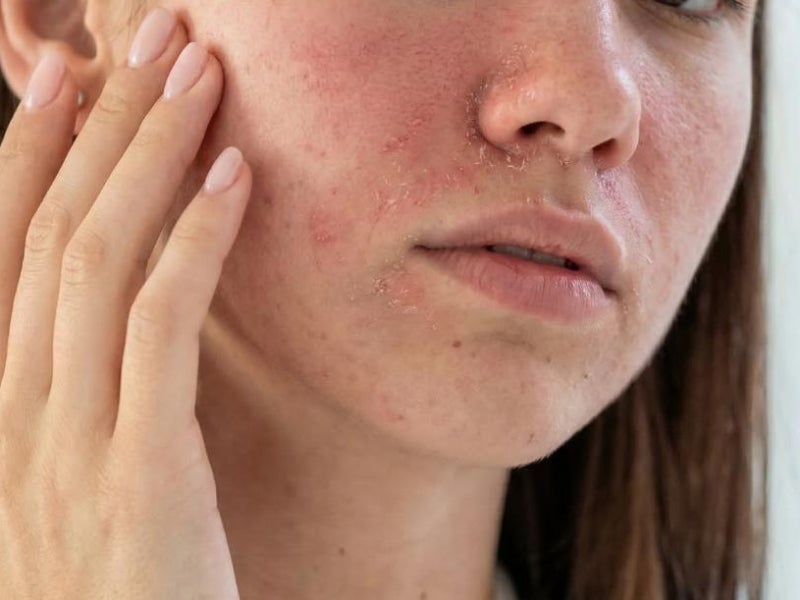
If a patient presents with active inflammatory skin lesions or a severely compromised skin barrier, laser energy from Titanium Lifting may cause unnecessary irritation.
In such scenarios, rather than rushing into energy-based procedures, stabilizing the epidermal barrier and restoring skin health should take priority before scheduling a lifting session.
Additionally, if facial laxity originates in deeper structural planes like the SMAS layer or significant ligament laxity, relying solely on Titanium Lifting may be insufficient. In these instances, combining it with or prioritizing deeper-plane lifting modalities is the superior clinical approach.
Choosing an aesthetic treatment simply because it is trending should always be avoided; the priority is correctly diagnosing the root anatomical cause of your skin concerns.
8. Frequently Asked Questions

Q1. How long do the results of Titanium Lifting typically last?
While longevity depends on individual skin physiology, at Pixel Lab we typically project a duration of roughly 1 to 3 months following a single session. For patients completing a staged protocol of 3 or more sessions, results often remain stable for 6 months to a year under maintenance care.
Because individual metabolic rates and aging patterns vary, subsequent sessions are scheduled based on post-treatment clinical evaluations.
Q2. Can Titanium Lifting be combined with other lifting modalities?
Yes, combination therapy is completely viable. Because different lifting devices target distinct anatomical depths and operate through different mechanisms, a physician must evaluate tissue condition and sagging severity to determine proper sequence and treatment intervals.
Q3. What is the recommended treatment interval?
At Pixel Lab, we commonly recommend an initial series of 3 sessions spaced 4 to 5 weeks apart, followed by maintenance treatments every 3 to 6 months depending on individual collagen response.
The optimal protocol is adjusted based on dermal thickness, degree of laxity, and desired clinical goals.
Q4. Is this treatment suitable for men?
Absolutely. Male patients also benefit significantly. Treatment plans for men are calibrated based on denser skin thickness, different facial fat patterns, and tailored energy settings to achieve natural, defined jawlines.
Q5. Is any special preparation required before treatment?
Prior to your session, avoid aggressive chemical exfoliants, retinoids, or abrasive physical scrubs that might sensitize the skin barrier.
Please notify your physician during consultation if you are taking photosensitizing medications or have recently received other aesthetic injectables or laser treatments.
To truly achieve satisfactory results from Titanium Lifting, look beyond the machine's name alone. Pay close attention to how your total energy dose is calculated and how the handpiece modes are tailored to your facial anatomy.
During every consultation, I evaluate the face across these two clinical parameters to clarify whether Titanium Lifting alone is optimal, or whether synergistic combination therapies should be incorporated for your goals.



*This article has been directly authored by Pixel Lab Plastic Surgery Clinic for medical informational and educational purposes in compliance with Article 56, Paragraph 1 of the Medical Service Act. Because all aesthetic procedures and surgical interventions carry potential risks and adverse effects depending on individual physiology, please consult thoroughly with a qualified specialist before undergoing any treatment.