2026-10-01
Juvelook Pain: How Much Does Anesthesia Help? Sensations by Procedure Stage and 3 Ways to Reduce Discomfort
Juvelook pain varies by depth, area, and technique. Discover how numbing cream helps, differences with Rejuran, and 5 doctor-recommended methods to minimize discomfort.
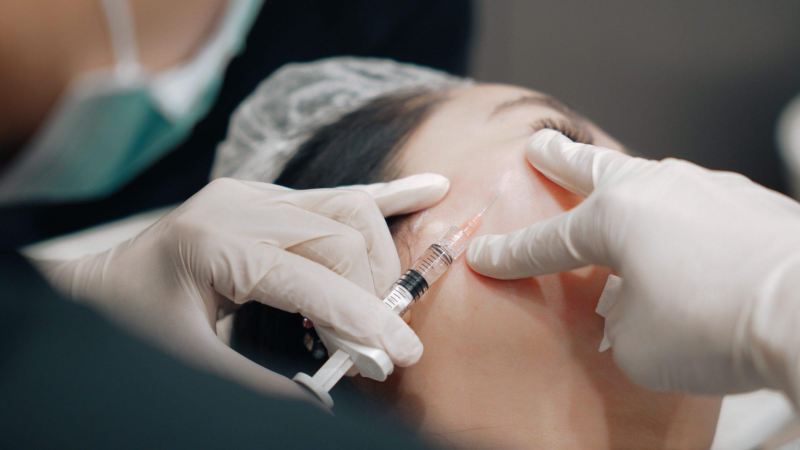
Rather than simply assuming Juvelook "never hurts," the perceived level of discomfort can vary depending on the stage of the procedure and the injection site.
The pain experienced also changes depending on the duration of topical anesthesia, needle gauge, injection volume, and injection speed.
Therefore, instead of judging whether it hurts solely based on online reviews, it is best to understand beforehand what sensations you might encounter at each stage.
Hello,
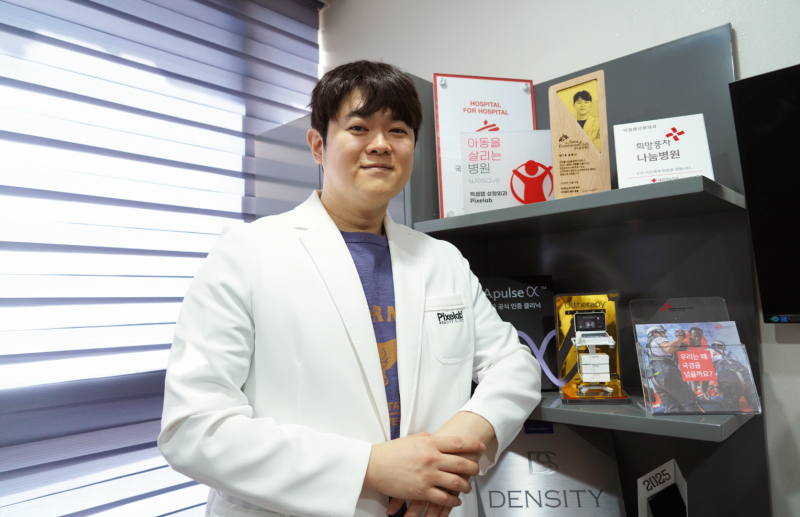
I am Dr. Song Jong-geun, Director of Pixel-Lab Plastic Surgery in Sinnonhyeon.
I perform skin booster treatments after carefully evaluating the patient's skin thickness, treatment areas,
and the necessary injection layers.
Today, I will explain the typical pain level of Juvelook Skin,
what kind of discomfort anesthesia can alleviate,
and what factors we adjust during the procedure
to minimize your discomfort.
1. Does Juvelook hurt a lot?
Many patients ask:
"Will it be completely painless if I apply numbing cream?"
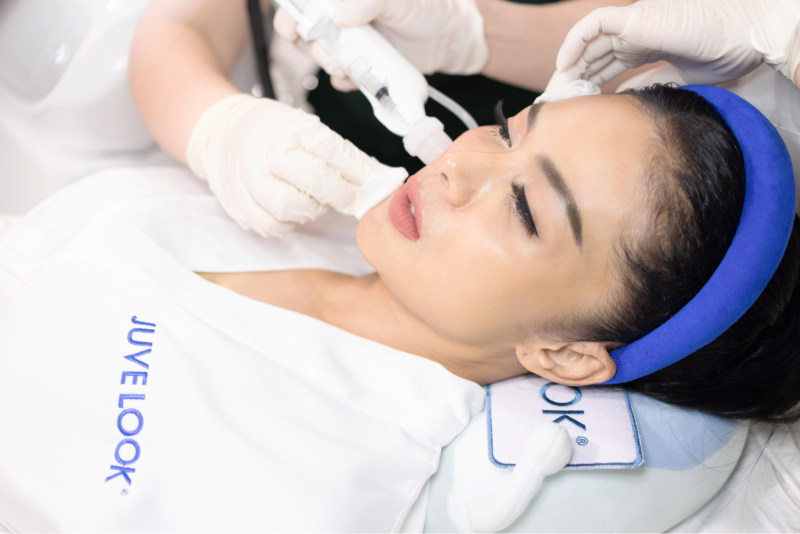
During a Juvelook Skin treatment, you may feel a pricking sensation as the needle enters the skin,
and as the product is delivered, you might experience a heavy, expanding pressure deep within the skin layers.
Immediately after the procedure, the skin may feel tingly, sore, or warm as mild redness and slight swelling appear.
Pain tolerance varies significantly from person to person.
Even on the same person, different areas like the forehead, cheeks, or under-eye zones have varying skin thicknesses and sensitivities,
leading to different levels of discomfort.
2. Does anesthesia eliminate all pain?
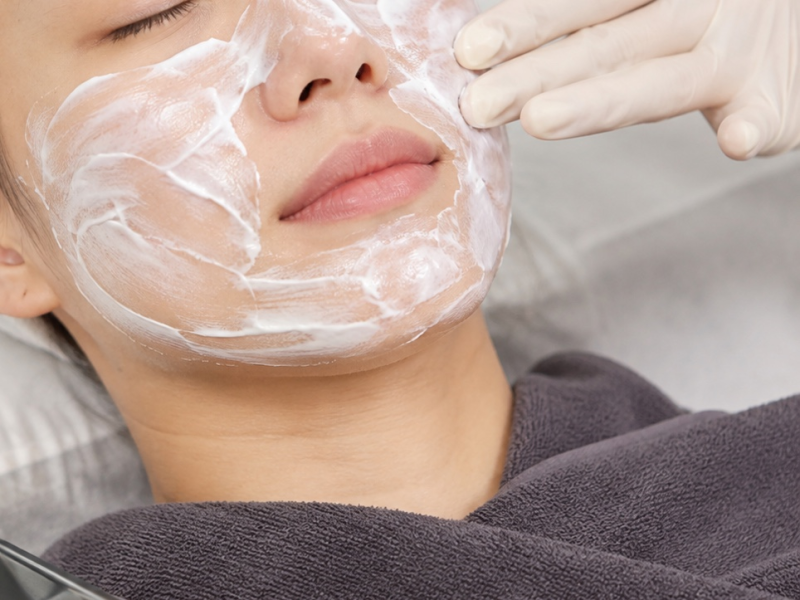
Topical numbing cream helps diminish the sharp prick felt when the needle penetrates the skin.
However, because it does not completely eliminate every sensation in the deeper tissues,
the sensation of pressure or heaviness that occurs as the solution is infused will not disappear entirely.
To minimize discomfort, I focus on five main principles:
First, ensure sufficient topical numbing time tailored to the specific treatment area. Second, use ultra-fine needles suitable for the targeted injection layer and area to reduce unnecessary trauma. Third, rather than rapidly injecting a large volume into a single spot, control the volume and pace to inject evenly in micro-doses. Fourth, achieve uniform hydration (reconstitution) to minimize pain caused by clumping.
|
Minimizing pain is not solely determined by anesthesia.
Careful consideration must also be given to
the specific area, depth, and spacing of each micro-injection.
3. Is the pain different between Juvelook and Rejuran?
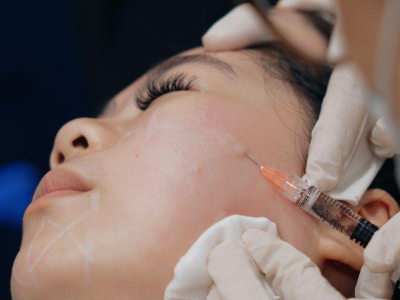
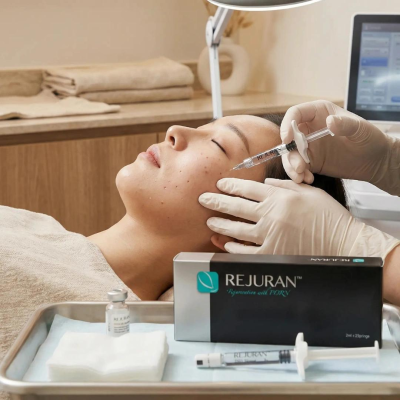
While both Juvelook and Rejuran deliver active ingredients
into the skin via micro-injections,
their core components and therapeutic goals differ.
Juvelook Skin is based on PDLLA (poly-D,L-lactic acid) and hyaluronic acid;
along with the initial needle prick,
it tends to produce a spreading, filling sensation inside the dermis.
Rejuran delivers PN (polynucleotide) across multiple micro-puncture sites,
often causing a repetitive stinging or burning sensation.
However, it is difficult to generalize
which procedure hurts more.
This is because the perceived sensation depends heavily on the treatment site, injection volume, injection technique, numbing protocol,
and the patient's individual pain threshold.
Therefore, rather than choosing a skin booster purely based on pain,
I recommend selecting the treatment according to your current skin concerns and improvement goals.
4. How long does post-procedure soreness last?
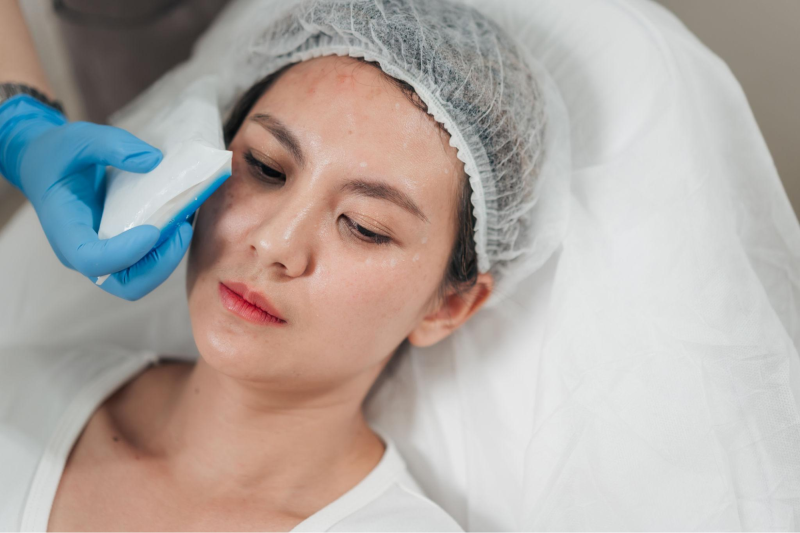
Even after the session ends, a mild numbness or aching tightness
may linger in the treated areas.
From the day of the procedure until the following day, the skin might feel tender when pressed, similar to a bruise,
and slight redness, micro-swelling, or occasional bruising may appear.
These symptoms generally subside on their own
over a short period,
though individual recovery timelines vary.
Immediately after treatment, avoid rubbing
or pressing firmly on your skin.
It is also advisable to avoid activities that can elevate swelling or irritation for a few days,
such as drinking alcohol, visiting saunas, or doing strenuous workouts.
Conversely, if pain intensifies over time,
if redness and heat persist, or if localized firm nodules remain palpable,
you should consult the clinic promptly for an evaluation.
5. What is more important to consider than pain alone?
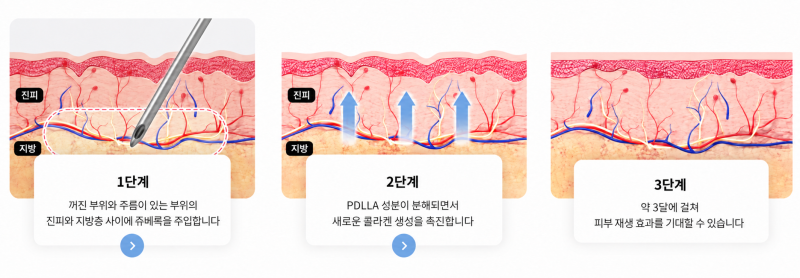
When receiving Juvelook Skin, what matters just as much as pain management
is how the formula is prepared (concentration and volume),
and into which precise layers it is evenly distributed.
If too much product is concentrated in a single spot,
the skin may feel lumpy or unusually firm right after treatment.
Such responses are not caused by product preparation alone;
they are influenced by multiple variables, including the dosage per point, injection depth, treated facial zone, and the patient's baseline skin condition.
Therefore, rather than simply relying on heavy numbing to mask discomfort,
it is vital to determine the appropriate depth and coverage area beforehand,
and deliver micro-doses uniformly across the skin matrix.
6. Cases requiring careful evaluation before treatment
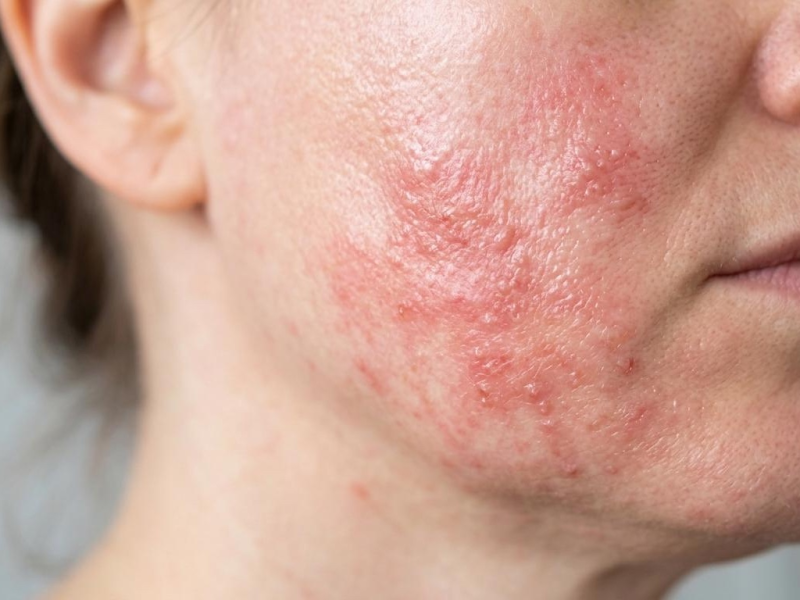
In the following situations, an initial evaluation of your skin condition
or rescheduling the procedure is recommended:
|
If you are anxious about pain, rather than forcing yourself to endure it,
it is best to thoroughly review the treatment scope, injection dosage, and anesthesia options during your preliminary consultation.
7. Frequently Asked Questions
Q1. How should I care for my skin after a Juvelook session?
Avoid pressing or scrubbing the treated areas forcefully.
On the treatment day, refrain from alcohol consumption, saunas, and intense exercise,
and take care not to irritate the skin when washing your face or applying cosmetics.
Q2. How long does the discomfort typically last?
Needle-related sharp pain occurs primarily during the actual injections.
After the procedure, mild numbness or muscle-like tightness may remain,
but it will subside gradually. If pain progressively worsens, contact your clinic for a follow-up.
Q3. Is feeling a small lump after Juvelook considered a side effect?
Immediately after injection, temporary bumpiness or localized firmness can occur.
However, if nodules persist for an extended period, grow firmer, or are accompanied by redness and tenderness, a medical check-up is required.
Q4. Should I opt for twilight sedation (sleep anesthesia) if I'm afraid of pain?
Not every Juvelook treatment calls for IV twilight sedation.
We determine the most appropriate numbing method after assessing your pain sensitivity, the size of the treatment area, and your overall medical condition.
Q5. Can I receive Juvelook on the same day as other aesthetic procedures?
Combination treatments can be considered depending on your skin condition and goals.
However, stacking multiple procedures may increase recovery burdens like prolonged swelling and erythema, so this must be carefully scheduled after assessing downtime requirements.
✦ Juvelook pain changes based on technique and protocol
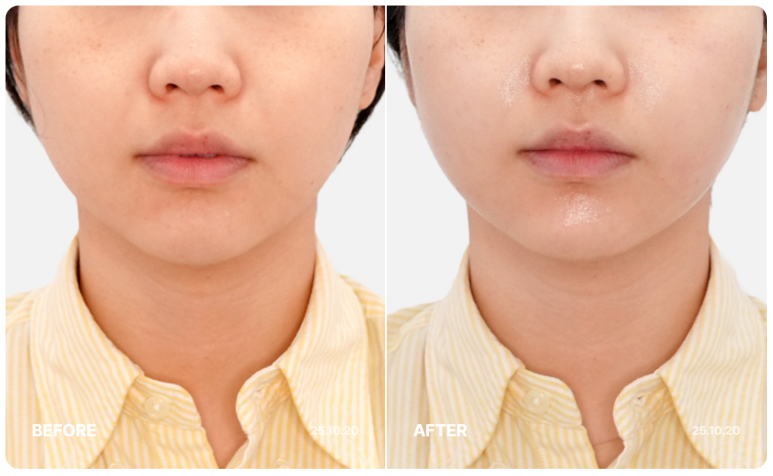
The discomfort of Juvelook Skin varies widely according to numbing duration,
the injection zone, needle gauge, dosage, and delivery speed.
At our clinic, I evaluate each patient's skin thickness, pain sensitivity,
and required treatment area before adjusting the numbing time and injection protocols accordingly.
Rather than claiming that a procedure can be made 100% painless,
it is essential to explain what sensations to expect at every step and design the procedure to systematically minimize unnecessary irritation.
If you are contemplating a Juvelook Skin treatment,
instead of simply comparing pain ratings from casual reviews,
I encourage you to look closely at which facial areas are treated, the volume injected, and the anesthesia protocols used.




*This article was authored directly by Pixel-Lab Plastic Surgery Clinic for informational and educational purposes in compliance with Article 56, Paragraph 1 of the Medical Service Act. Because all aesthetic treatments and procedures carry the risk of potential side effects depending on the individual, a comprehensive consultation with a qualified medical specialist is strongly recommended prior to treatment.